

professional in one-stop Packaging Labels solutions
e-mail:hxmdlz@hxmpackage.com
Shenzhen Huaxinmei Printing Co., Ltd.
Features
- Design
- why choose us
- Our Advantage
- How to use
- Our Services
FAQ
- Support
- certification
- payment
- customization
- Privacy Policy
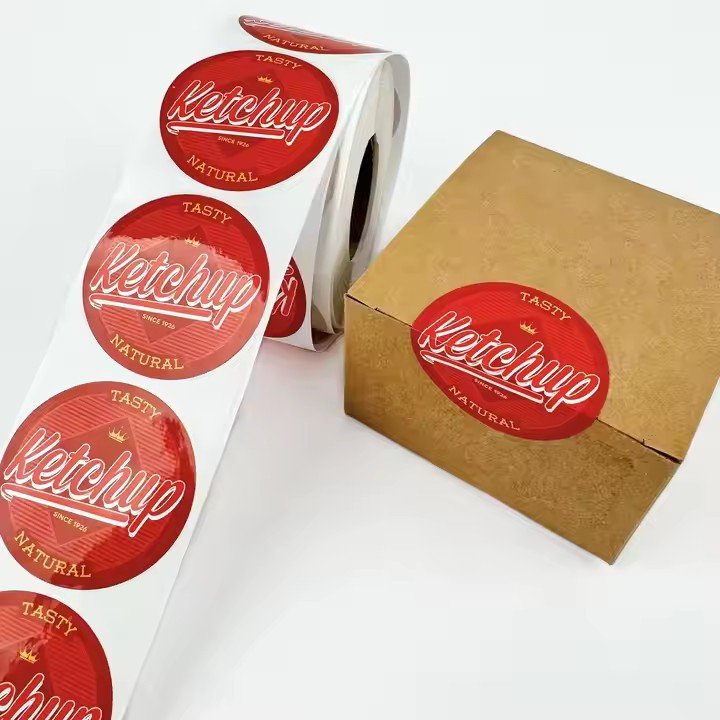
1. Positioning Anchor: Focus on Core White-Collar Needs and Define Key Label Functions
Urban white-collar consumers primarily choose lip gloss based on “workplace suitability” and “efficiency/convenience.” Label design must first clarify its core positioning and avoid redundant elements. Research shows that 72% of white-collar buyers prioritize shade, texture, and long-lasting performance when selecting lip gloss. Therefore, labels should highlight these key pieces of information while maintaining clear brand recognition.
2. Visual Design: Minimalist and Premium to Suit the Workplace, Enhance Brand Recall
White-collar aesthetics tend toward “minimalist, premium, low-saturation” styles. Lip gloss labels should remove unnecessary design elements and achieve a professional, workplace-friendly visual image through careful use of color, typography, and layout, while reinforcing brand memorability.
Color choice is central to visual design. Recommended main colors are low-saturation, premium tones such as haze blue, Morandi pink, off-white, or deep coffee—professional yet differentiated from the bright, high-saturation colors aimed at students. Accent colors like gold or silver can be used sparingly to elevate perceived quality without causing visual clutter. A “color coding” strategy can further assist quick shade identification—for example, muted pink shades accented with light pink, bold reds accented with gold—helping white-collar consumers quickly distinguish shade types.
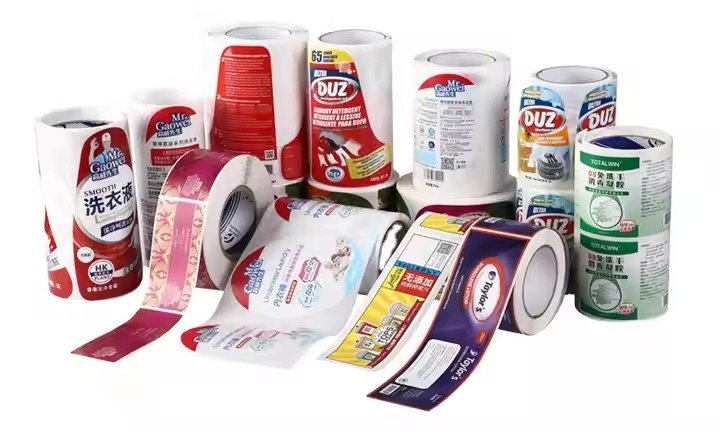
3. Information Presentation: Clear, Concise, Efficient for Quick Decision-Making
Fast-paced white-collar lifestyles demand quick and precise access to product information. Labels should follow the principles of “core information first, clear hierarchy, and simplicity,” avoiding information overload.
Core information should occupy the visual center. Display the shade using a combination of code and name (e.g., “#03 Office Rose” or “#08 Commute Nude”), where the name references workplace scenarios for quick suitability assessment. Next, highlight texture (e.g., “Velvet Matte,” “Glossy Shine,” “Lightweight Matte”) using bolded font distinct from the shade info. If the product has key functional benefits (e.g., “8-hour wear,” “Non-drying,” “Food-grade ingredients”), use minimalist icons near the core info to emphasize differentiation.
Basic information should be clear but secondary, placed at the bottom or side of the label. This includes product name, ingredient list (highlighting key info for sensitive skin: “Fragrance-free, Alcohol-free, Preservative-free”), production date, shelf life, batch number, compliance standards, and manufacturer info. All details should comply with the “Cosmetics Labeling Regulations” and remain legible without overwhelming the design.
Scenario prompts can enhance applicability, such as corner notes: “Business Meeting Essential,” “Daily Commute Must-Have,” or “Easy Touch-Up.” Use simple, user-friendly language like “Non-drying,” “Non-transfer,” and “Easy to Apply,” avoiding technical jargon for clarity and usability.
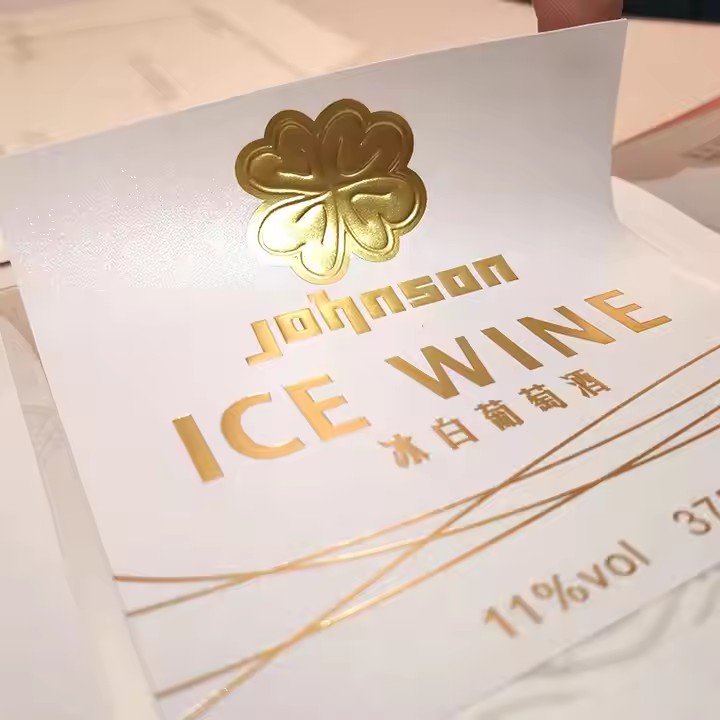
4. Material and Craftsmanship: Balance Premium Feel with Durability for Commuting
Urban white-collar consumers often carry lip gloss in their bags. Labels must be scratch-resistant, waterproof, sweatproof, and high-quality in feel. Material and finishing choices directly affect perceived quality and user experience.
Material selection should balance durability and aesthetics. Options include coated paper, PET film, and matte paper. PET film offers superior water and scratch resistance, ideal for commuting; matte paper feels warm and premium, suitable for natural or gentle product positioning.
Finishing techniques like gold/silver foil for logos and key information, or embossing for a tactile premium feel, can enhance the luxury perception. Label edges should be rounded to avoid injury or snagging; matte lamination prevents glare and improves readability; printing must ensure accurate color reproduction, especially for shade representation, to maintain consumer trust.
Label size and placement should fit the lip gloss tube without excess or tightness. Options include full-wrap labels for maximum information capacity or partial labels for a minimalist look, depending on product positioning. Adhesive strength must prevent peeling or curling during use.
professional in one-stop Packaging Labels solutions
e-mail:hxmdlz@hxmpackage.com
Shenzhen Huaxinmei Printing Co., Ltd.
Fill in the form below to book a 30 min no-obligation consulting session.
I will reply within 24 hours.