Explore Our Blog

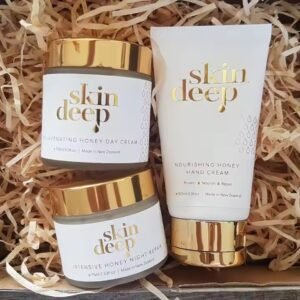
Keeping an eye on the information of a professional label printing factory can help you find more inspiration for custom labels.

How to Choose Label Materials for Beverage-Based Health Products?

I. Core Selection Principles: Safety First, Functional Fit When selecting label materials for beverage-type health products, the foremost requirement is “food-contact safety.” The material must then be compatible with the product’s full life cycle, ultimately achieving a balance among safety, functionality, and cost. All three principles are essential: (1) Food-Contact Safety Principle Because labels directly

Read More »

How to Design Suitable Visual Graphics for Fish Oil Supplements?

Designing graphics for fish oil supplements must follow three essential principles to avoid common industry pitfalls.First, the “trust-first principle.” Consumer decisions in the supplement category are driven by trust. Visuals should avoid exaggerated or medical-style expressions—such as “treatment” or “cure”—and instead use natural, tangible elements to convey product quality.Second, the “attribute-anchoring principle.” The design must

Read More »

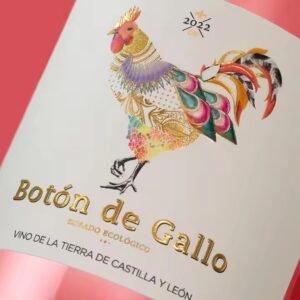
How to Reflect Quality Endorsement in Wine Label Design?

I. Authority Certifications: The Visual Anchor of Compliance and Premium Positioning Authoritative certifications are the most direct form of quality endorsement in wine design. The core principle is “highlight the essentials, present them correctly, and reinforce them visually,” ensuring consumers immediately recognize the wine’s legitimacy and premium credentials. Wine certifications generally fall into two categories:

Read More »

How to Design High-End Canadian Red Wine Labels?

For high-end Canadian red wines, the core trust mechanism comes from the VQA (Vintners Quality Alliance) certification. This serves as the non-negotiable prerequisite for label design and directly shapes a wine’s market access and premium positioning. The design must strictly follow VQA’s mandatory labelling requirements while using standardized presentation to strengthen the perception of quality

Read More »

How to Design Micro–Nano Stickers for Wearable Devices?

Material selection is the core of micro–nano stickers used in wearable devices. The materials must simultaneously provide flexibility, biocompatibility, and functional specificity—solving the conflict between “rigid functions” and “flexible substrates.” The substrate layer, which directly contacts the skin, requires ultra-thinness, high elasticity, and breathability to achieve ergonomic, skin-friendly, and form-fitting performance. Silicone-based materials such as

Read More »

How to Choose Materials for Photopolymer Stickers in the Medical Industry?

I. Core Principles for Material Selection: “Medical-Grade Safety” as the Fundamental Logic Material selection for photopolymer stickers in the medical industry must go beyond the basic needs of “appearance and adhesion.” It must strictly follow a safety-first, performance-matched, and compliance-traceable logic. Three core principles are indispensable: Materials must comply with biocompatibility requirements and avoid releasing

Read More »

How to Design Suitable Graphics for Senior Health Supplements?

I. Core Design Principles: Centered on “Senior-Friendly Adaptation” Age-related visual decline (e.g., farsightedness, color weakness, sensitivity to high contrast), cognitive habits (preference for familiar elements, aversion to unclear visuals), and emotional needs (pursuit of health, longevity, and family care) determine that graphic design for senior health supplements must follow three fundamental principles to avoid disconnected

Read More »

What Graphic Elements Can Be Used in Wine Label Design?

I. Core Logic Behind Wine Label Graphic Design Brand Recognition Comes First:The graphics should convey the brand’s core identity—such as region, craftsmanship, or philosophy—while avoiding excessive decorative elements that cause visual clutter. For example, Penfolds’ pyramid icon is simple, memorable, and has become a signature symbol of the brand. Adapt to Consumer Scenarios and Target

Read More »

How to Design Mid- to High-End Wine Labels Effectively?

The competitiveness of mid- to high-end wines often lies in the story behind the brand—heritage from a century-old winery, the terroir of a specific region, or a distinctive winemaking technique. Label design should transform these cultural elements into visual symbols, allowing consumers to perceive brand value at first glance, rather than relying on straightforward “premium”

Read More »

Book Your Free Session Now

Fill in the form below to book a 30 min no-obligation consulting session.

I will reply within 24 hours.