
How Does a Professional Cigar Band Printing Factory Ensure Consistent Bulk Production?
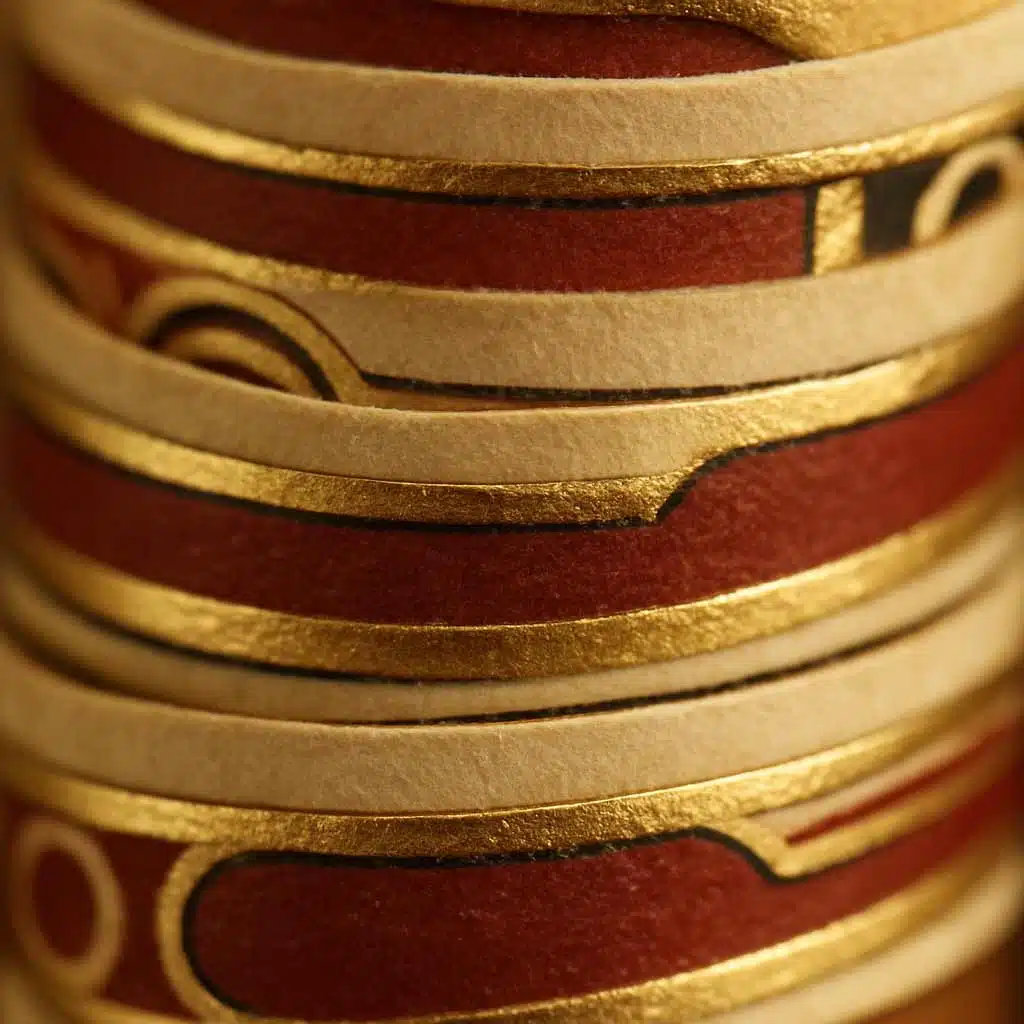
A twenty-dollar luxury cigar promises an exceptional experience, but before a lighter ever sparks, your fingers trace the artwork wrapped around the tobacco. That tiny label acts as a psychological anchor for brand trust, signaling quality before the first draw. Consumers intuitively equate visual perfection with craftsmanship, making flawless custom cigar bands the silent ambassadors of a brand’s reputation.
According to luxury packaging standards, a print shift of just one millimeter is an automatic failure point. Think of a high-end watch face—if the golden numbers sit slightly crooked, the entire timepiece feels cheap and counterfeit. Professional cigar band printing demands this same microscopic accuracy, ensuring intricate foil embossing never drifts out of bounds as machines process thousands of units an hour.
To achieve this benchmark of zero-variance, manufacturers must battle invisible forces on the production floor. A slight change in room humidity can stretch the substrate—the specific paper used—just enough to ruin a batch. Inside a modern cigar band printing factory, overcoming these physical hurdles requires trading the human eye for digital sensors that constantly scan sheets for microscopic misalignments.
Behind every identical batch lies a strict, five-step industrial ballet. By carefully choosing resilient raw materials, engraving metal plates, layering vibrant inks, stamping metallic accents, and utilizing high-speed die-cutting machines, facilities guarantee absolute uniformity and engineer perfection at scale.
Table of Contents
The Foundation of Luxury: How Premium Substrates and Food-Grade Adhesives Protect the Smoke
When you touch a luxury cigar, the band feels distinctly crisp and substantial. That tactile experience starts with the substrate—the specific type of paper or material used as the base of the label. Selecting the right premium cardstock is crucial because it dictates how vibrant the final artwork will appear. If the paper is too porous, it acts like a microscopic sponge, absorbing the wet ink too deeply and leaving the intricate design looking dull and faded.
Since these labels wrap around a consumable item, standard manufacturing glues simply cannot be used. Factories rely instead on specialized food-grade adhesives to bind the band securely without risking the smoker’s health. Much like the safe packaging required for gourmet snacks, these specialized glues are engineered to hold tight in high-humidity humidors without releasing harsh odors or toxic chemicals that could ruin the experience.
Protecting the delicate flavor of the tobacco also requires an invisible barrier against ink migration. This industry term describes the dangerous potential for chemical dyes to seep through the paper over time and taint the product inside. In the meticulous craft of custom cigar band printing, manufacturers apply specialized base coatings to guarantee that those vibrant colors stay safely trapped on the exterior surface.
Establishing this foundation of safe adhesives and high-quality paper ensures the physical canvas is ready for its signature design. Maintaining identical hues across these massive batches requires advanced color-matching technology.
Beyond the Human Eye: Using Pantone Matching and Spectrophotometry for Flawless Color
Have you ever bought a shirt that looked navy blue in a store, only to realize it was black outside? That same optical illusion plagues luxury manufacturing. Standard printers mix four colors—achieving true color consistency in CMYK printing can be difficult because small dot variations cause noticeable shifts. To prevent this, luxury brands use the Pantone Matching System. Think of Pantone color matching like a universal recipe book; it provides pre-mixed, highly specific inks that guarantee a brand’s signature gold or red looks identical worldwide.
Even with the perfect ink recipe, the surrounding environment can easily deceive human eyes. If a factory relies on standard fluorescent ceiling lights, a freshly printed label might look flawless on the production floor but appear washed out in a dimly lit cigar lounge. To combat this, printing experts use light booths. These controlled boxes simulate various environments, from bright daylight to soft incandescent bulbs, ensuring the artwork maintains its visual integrity anywhere.
To completely eliminate human error from this delicate equation, technicians follow a strict four-step color verification process for high-end batches:
Inking: The customized Pantone ink is carefully applied to the premium paper substrate.
Drying: The ink is fully cured, as wet colors appear significantly darker than dry ones.
Light-box checking: The printed label undergoes visual inspection inside the controlled booth.
Spectrophotometer scanning: A digital “eye” reads the exact mathematical wavelength of the color.
Relying on spectrophotometry ensures the physical product flawlessly matches the approved digital file. By trusting mathematical data over subjective sight, manufacturers lock in absolute visual consistency across massive batches, a standard that must then be replicated efficiently on the press.

Choosing the Right Press: Why Offset Printing Dominates High-Volume Cigar Band Production
Choosing how to manufacture thousands of intricate bands requires understanding the difference between offset vs digital printing. For a small batch of personalized cigar labels, digital printing acts like a high-end office printer, offering quick, flexible results. However, producing 100,000 identical bands for a global release requires an industrial process called offset lithography, which guarantees cost-effective uniformity at a massive scale.
The secret behind this flawless repetition lies in the creation of printing plates. Think of a plate as a master template, custom-etched out of thin aluminum. Unlike a digital machine that uses a laser to redraw an image line-by-line for every single page, these metal plates mechanically transfer the exact same physical design onto the paper. Because the template never changes shape, absolute image identicality remains locked in from the first sheet to the last.
To create a full-color artwork, factories must successfully overlap multiple layers of ink without blurring—a precise alignment process known as registration. Industrial offset presses grip massive sheets of paper, pulling them through heavy rollers at lightning speeds. High-tech sensors adjust the paper’s position by fractions of a millimeter along the way, ensuring the red plate strikes the exact same coordinate as the gold plate, keeping large scale cigar labels incredibly crisp.
Securing this pristine, flat canvas sets the necessary foundation before introducing physical textures. The paper is now ready to transform from a simple color print into a three-dimensional luxury item through specialized stamping and cutting.
The Art of the Impression: Mastering Foil Stamping and Automated Die-Cutting for Sharp Silhouettes
Once flat colors dry, the luxury transformation begins with custom cigar band printing techniques like foil stamping. Instead of applying liquid ink, factories use microscopically thin metallic sheets. Heated metal stamps press down with intense pressure, instantly fusing gleaming gold directly to the paper’s surface to ensure these premium accents never flake or peel.
Beyond a brilliant shine, the finest labels physically rise off the page through a process called micro-embossing. Heavy metal molds squeeze the paper from underneath, permanently stretching the fibers to form raised crests and logos. The difference between flat printing and dimensional embossing is immediately obvious; running a thumb across the finished label reveals a tactile, three-dimensional topography that defines high-end craftsmanship.
Separating these tiny, complex artworks from the larger sheet requires the mechanical precision of automated die-cutting. Think of this machine as an industrial-strength cookie cutter, designed to snap through heavy paper with microscopic accuracy. Factories obsess over strict blade maintenance, knowing that even slightly dull metal will produce frayed, cheap-looking borders rather than flawlessly sharp silhouettes.

Even with pristine cuts and gleaming textures, this delicate artwork must survive the warm, humid environment of a cigar box. Preserving this meticulous physical shaping requires a final layer of weather-resistant protection.
Invisible Protection: Why Weather-Resistant Varnishes and Ink Migration Standards Matter
A beautifully stamped cigar band is completely useless if it falls apart before you even strike a match. Because premium cigars require humidor storage at around 70% humidity, raw paper and standard ink are extremely vulnerable to moisture. Without invisible protection, this damp environment can cause “color bleed”—a disastrous scenario where the rich dyes of the label physically transfer onto the delicate tobacco leaf itself. Protecting the integrity of the cigar and preserving crisp branding requires the application of heavy-duty, weather-resistant varnishes.
Applying these protective liquid shields over the printed ink ensures the artwork survives years of aging without fading. Factories typically rely on three distinct finishes for luxury tobacco packaging, depending on the brand’s desired aesthetic and durability needs:
Matte Aqueous Coating: A water-based, non-reflective finish offering an elegant texture while repelling basic moisture.
Gloss Aqueous Coating: A shiny layer that makes colors pop while providing a stronger barrier against physical scuffing.
UV Coating: Instantly cured by flashes of ultraviolet light, this creates a nearly impenetrable, plastic-like seal for maximum durability in damp environments.
Enforcing strict ink migration standards guarantees that these protective chemical coatings and inks stay locked on the paper and never alter the flavor of the cigar. Applying these microscopic layers flawlessly over thousands of labels demands relentless automated oversight.
The Factory Quality Trap: How Automated Scanning Catches Errors in Milliseconds
Historically, factories used “batch testing,” pulling random labels from massive piles to check for printing errors. For luxury brands requiring perfect uniformity on a retail shelf, this outdated method invites disaster. A reliable cigar ring manufacturer knows hoping for the best is not a strategy, opting instead to replace tired human eyes with relentless digital oversight.
Moving away from manual checks, modern production relies on computer vision inspection systems. High-speed cameras sit directly above the presses, snapping thousands of crystal-clear photos per minute as the paper sheets race past. This unblinking technology scans every single millimeter of wet ink and metallic foil. By automating this crucial step, high-volume label manufacturing achieves an absolute accuracy that physical inspectors could never realistically maintain.
The magic behind these rapid-fire cameras is a technique called Master-to-Sample comparison. The inspection machine stores a flawless digital blueprint of the band, instantly overlaying photos of the freshly printed labels on top of that perfect ideal. If a dust speck creates a tiny ink gap, or if an embossed logo shifts by a hair, the system automatically flags the discrepancy in milliseconds.
Catching microscopic deviations at lightning speed enforces a true Zero-Defect workflow, guaranteeing that every purchased band is a perfect clone of the original art. These uncompromising quality control standards separate world-class manufacturing facilities from average print shops, defining the key metrics needed when evaluating a production partner.
How to Vet a Cigar Band Printing Partner: Five Performance Metrics That Guarantee Consistency
A professional cigar band serves as luxury insurance. Sourcing from a reliable manufacturer ensures your packaging reflects the premium product inside, preventing a cheap-looking label from damaging a hard-earned reputation.
When evaluating partners for bulk cigar label production, ask these five essential questions:
Do you use spectrophotometers for digital color matching?
What is your exact registration tolerance for micro-embossing?
Are your adhesives and inks completely humidor-safe?
How do you monitor consistency during continuous, high-speed runs?
How do you address sustainability in commercial cigar label printing?
True consistency cannot be rushed. Always plan for four-week production cycles to allow for precise die-cutting, proper ink drying, and meticulous quality control checks. Demanding faster turnarounds is the quickest route to misaligned gold foils and costly production errors. Apply these performance metrics to your next packaging project to ensure your brand achieves consistent, visual perfection and protects its hard-earned reputation.