

professional in one-stop Packaging Labels solutions
e-mail:hxmdlz@hxmpackage.com
Shenzhen Huaxinmei Printing Co., Ltd.
Features
- Design
- why choose us
- Our Advantage
- How to use
- Our Services
FAQ
- Support
- certification
- payment
- customization
- Privacy Policy

Brand consistency is the primary principle in label pattern design. The pattern should closely align with the brand’s tone and act as an extension of its visual identity, allowing consumers to instantly associate the pattern with the brand.
First, clearly define the brand’s core characteristics:
Light luxury or premium brands can use minimalist lines, metallic textures, or variations of the brand logo. For example, YSL lip gloss labels use gold logos and flowing curves to reinforce a sense of luxury.
Youthful or “girly” brands may incorporate cartoon IPs, hearts, bows, or other sweet elements. MAC’s classic logo print on its bullet lipsticks balances recognizability and vitality.
Niche designer brands can convey a unique artistic tone through abstract graphics or handwritten typography patterns.
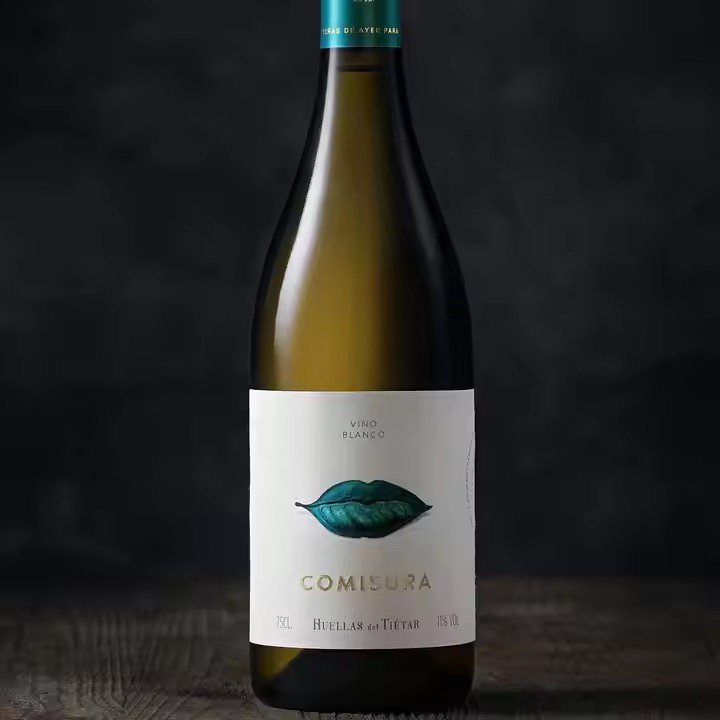
Since the primary use of lip gloss is lip beautification, pattern design should revolve around lip-related visual associations. This helps consumers intuitively understand the product’s purpose and effect while avoiding homogenization. Core elements can be divided into three categories:
Literal lip imagery, such as realistic lip shapes or minimalist lip outlines. Gradient colors can simulate the application effect, while highlights can emphasize a glossy, mirror-like or hydrated texture. For example, mirror-finish lip gloss labels often use translucent lip shapes combined with pearlescent textures to convey shine and moisture.
Symbolic lip imagery, such as abstracted lip contours or lip-print patterns. Simplified lines or artistic treatments balance creativity and recognizability, making them ideal for younger consumers seeking individuality.
Function-related elements, such as lock icons or clock motifs for long-wear lip glosses, or gradient color bands for ombré lip products—allowing the pattern itself to communicate key product benefits.
Color is the “soul” of label patterns, directly influencing visual perception and purchase intent. The core principle is to echo the lip gloss color while ensuring suitability for different usage scenarios.
The label’s main color should ideally match the key shade of the lip gloss (for example, red labels for classic red lip gloss, nude-pink labels for dusty rose shades), or use tonal gradients or complementary color combinations. This allows consumers to quickly anticipate the product’s effect. For instance, Givenchy’s Le Rouge lip gloss labels closely match the product color and are accented with gold lines, achieving both clarity and a premium feel.
Decorative elements act as “value boosters” in pattern design and should be used sparingly to enhance sophistication and memorability without overwhelming the core visuals. Common decorative elements include:
Line-based elements, such as waves, geometric lines, or lace-style outlines, used for borders, segmentation, or highlighting key motifs. Fine gold lines outlining lip shapes can elevate a premium impression.
Texture elements, such as pearlescent, matte, or water-ripple textures, which can mimic the lip gloss’s finish and enhance tactile association. For example, adding ripple textures to hydrating lip gloss labels visually reinforces moisture and shine.
Symbolic elements, such as hearts, stars, flowers, or bows, which suit youthful lip gloss lines, as well as minimalist geometric symbols (circles, triangles) for modern, minimalist styles.
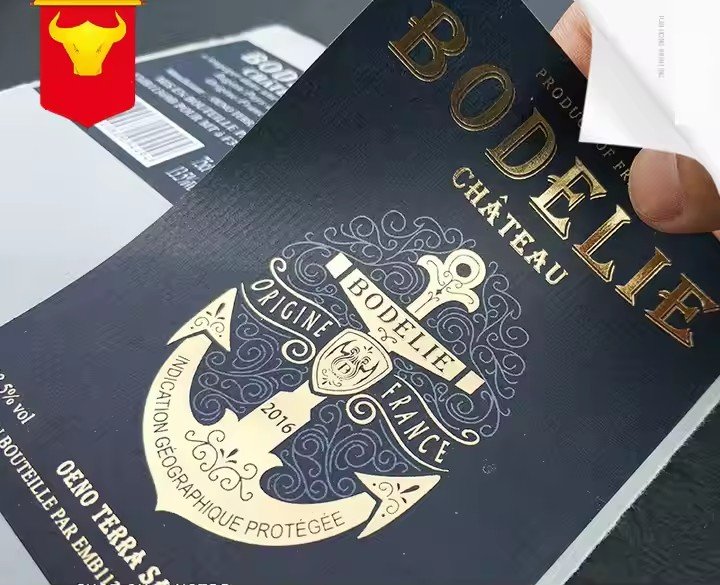
Lip gloss labels are typically small carriers (such as tube or cap labels), so pattern design must prioritize practicality alongside aesthetics.
Pattern density and scale should be carefully controlled: small labels require simplified elements that highlight the core visuals (such as logo + lip icon) to avoid blurring. Tube labels must account for curved surfaces, ensuring smooth line flow and preventing distortion at bends. Vertical or elongated pattern layouts often work best to match the slim shape of lip gloss tubes.
Lip gloss consumers are predominantly young women, and aesthetic preferences vary widely across age groups and spending levels. Pattern design must precisely match target audience expectations:
Ages 18–25 favor playful, trendy visuals such as cartoon collaborations, internet-pop symbols, and bold color clashes.
Ages 25–35 prefer minimalist, refined designs, such as solid backgrounds paired with elegant lines or abstract graphics.
High-end consumers emphasize brand prestige, so patterns should highlight luxury through metallic textures, jewelry-inspired elements, or restrained logo-centric designs.
professional in one-stop Packaging Labels solutions
e-mail:hxmdlz@hxmpackage.com
Shenzhen Huaxinmei Printing Co., Ltd.
Fill in the form below to book a 30 min no-obligation consulting session.
I will reply within 24 hours.