
I. Core Selection Principles: Safety First, Functional Adaptation
The primary requirement for selecting label materials for beverage-type health products is food-contact safety. Next is ensuring suitability across the product’s entire lifecycle, ultimately balancing safety, functionality, and cost. All three principles are essential:
(1) Food-Contact Safety Principle
Labels come into direct or close contact with beverage packaging. Therefore, the substrate, adhesive, and printing ink must not contain migratory hazardous substances, such as heavy metals (lead, cadmium, mercury), fluorescent whitening agents, volatile organic compounds (VOCs), or harmful plasticizers.
Priority should be given to materials certified for food-contact safety, including:
China GB 4806 series
EU Regulation No. 10/2011
U.S. FDA 21 CFR Part 175–178
This prevents compliance risks caused by material migration.

(2) Environmental Adaptability Principle
Storage environments for beverage health products vary widely (room temperature, refrigerated at 0–4°C, frozen at –18°C). Some products also experience temperature fluctuations and humidity changes during cold-chain logistics.
Label materials must therefore exhibit adequate temperature resistance, humidity resistance, and anti-aging properties:
Refrigerated products require labels that resist brittleness and adhesive failure at low temperatures.
Room-temperature functional beverages need UV-resistant labels to prevent fading.
Alcohol-containing health drinks (e.g., ginseng wine, tonic wine) require chemical resistance to prevent label lifting caused by alcohol evaporation.
(3) Functional Matching Principle
Label functions should align with product needs:
For traceability, choose substrates suitable for QR code printing.
To enhance product premium feel, select special textured films (matte film, tactile film).
For anti-counterfeiting, integrate holographic or fluorescent materials.
Labels must also match the surface characteristics of the packaging:
Smooth glass surfaces require high initial tack adhesives.
PET bottles carry slight static electricity and require anti-static substrates to prevent dust attraction.
II. Classification and Selection of Substrates: From Basic Performance to Scenario Adaptation
The substrate is the label’s core carrier, determining physical performance, print quality, and environmental durability. Common substrates for beverage-type health products fall into two major categories: paper-based and film-based, each with distinct characteristics and applicable scenarios.
(1) Paper-Based Substrates: Moderate Cost, Suitable for Short-Term Room-Temperature Storage
Paper substrates are made from natural fibers, offering lower cost and strong printability. They are suitable for beverages stored at room temperature with short shelf life (6–12 months), such as herbal drinks or short-fermentation health beverages.
- Coated Paper
Coated for a smooth surface and vibrant, high-fidelity printing. Ideal for displaying product details (ingredient graphics, brand logos).
However, it has poor moisture resistance and deforms or blurs when exposed to humidity unless laminated (gloss or matte).
Suitable for:
Room-temperature bottled health beverages (e.g., goji berry puree, jujube juice) in PET or HDPE packaging, requiring name, ingredient list, and shelf-life labeling.
- Matte Paper
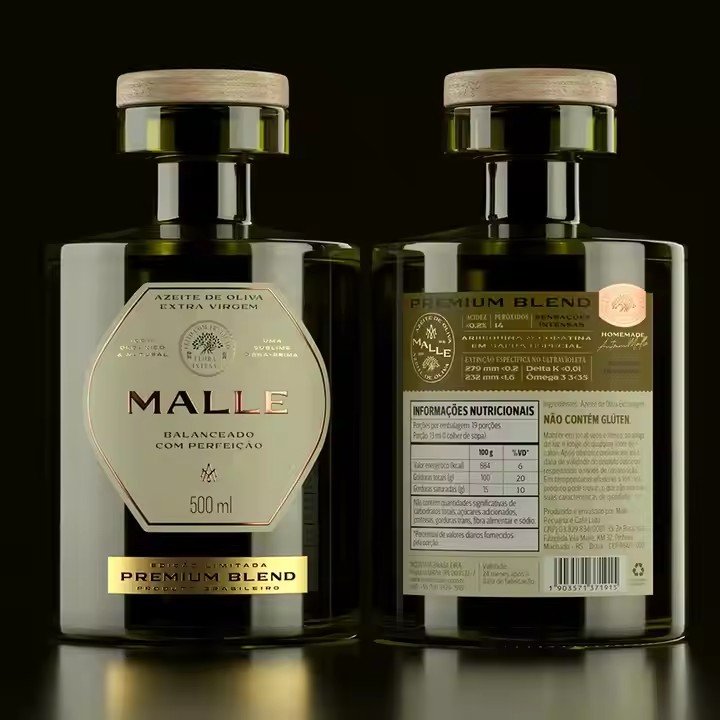
Non-glossy, soft texture, producing a refined, premium appearance. Suitable for high-end products such as ginseng drinks or bird’s nest beverages.
Must also be laminated for moisture resistance. Slightly weaker scratch resistance, requiring ≥80g paper for sufficient stiffness.
Suitable for:
Premium gift-box health drinks (e.g., sea cucumber oral solution), where labels need to show premium feel, traceability QR codes, and anti-counterfeiting marks.
- Kraft Paper
Made from natural kraft pulp, brown-toned, environmentally friendly, and retro. Suitable for “natural / additive-free” themed health beverages.
Better moisture resistance than coated paper but still requires lamination or waxing for waterproofing. Color reproduction is weaker—best for single- or dual-color printing (black, dark brown).
Suitable for:
Eco-focused beverages like organic spirulina drinks in glass jars or composite paper cans, where labels communicate organic or natural branding.
Advantages: low cost, recyclable
Disadvantages: poor moisture & weather resistance → requires lamination/waxing
Recommended paper weight: ≥70g to avoid wrinkling after application.
(2) Film-Based Substrates: High Durability, Suitable for Complex Environments
Film substrates are made from polymer materials with excellent humidity resistance, temperature resistance, and tear resistance.
They are ideal for refrigerated, frozen, or long-shelf-life (1–3 years) beverages such as oral liquids, tonic wines, and functional sports drinks.
- PET Film (Polyethylene Terephthalate)
High transparency (≥90% light transmittance), excellent stiffness, strong tear resistance, and a wide temperature tolerance (–40°C to 120°C).
Excellent printability for gravure, flexographic, and digital printing. Corona treatment enhances ink adhesion, preventing ink flaking.
Suitable for:
High-end oral liquids (vitamin C, collagen drinks), refrigerated health beverages in glass or PET bottles, requiring batch number, expiry date, and anti-counterfeiting QR codes.
