
professional in one-stop Packaging Labels solutions
e-mail:hxmdlz@hxmpackage.com
Shenzhen Huaxinmei Printing Co., Ltd.
Features
- Design
- why choose us
- Our Advantage
- How to use
- Our Services
FAQ
- Support
- certification
- payment
- customization
- Privacy Policy

Medical dental stickers come into direct contact with oral mucosa and tooth surfaces, so they must pass stringent biocompatibility tests to eliminate risks such as allergies and irritation. The main safe materials include the following three categories:
1. Medical-Grade Acrylic Resin Materials
This is the preferred base material for orthodontic bracket positioning stickers and temporary protective dental repair stickers. For medical applications, priority must be given to more hygienic and safer materials.
This material can maintain adhesion for over 72 hours in the moist oral environment and can slowly degrade with saliva. It leaves no residue upon removal and does not damage tooth enamel. At the same time, it offers excellent heat resistance and can withstand high-pressure steam sterilization at 121 °C, meeting the requirements of aseptic dental clinical procedures. It is widely used in orthodontics and restorative dentistry as a clinical auxiliary material.
2. Food-Grade Silicone Rubber Materials
These are suitable for applications such as dental isolation stickers and bite pads, and are available in both medical-grade liquid silicone rubber and solid silicone rubber sheets.
Food-grade silicone rubber is an inert material that does not chemically react with oral tissues, does not release heavy metals or plasticizers, and provides good elasticity and breathability, helping to reduce gum pressure during prolonged use.
This material has passed ISO 10993 biocompatibility testing, is non-irritating to oral mucosa, and features waterproof and antibacterial properties. It effectively isolates saliva from restorative materials, improving the precision of dental treatments.
3. Polycarbonate (PC) Film Materials
Commonly used for teeth whitening isolation films and orthodontic attachment positioning films. Medical-grade polycarbonate films offer high transparency and strong toughness. With antibacterial surface coatings, they can inhibit the growth of common oral bacteria such as Escherichia coli and Staphylococcus aureus.
A key safety advantage is that these materials are BPA-free and comply with EU REACH regulations as well as U.S. FDA standards for food-contact materials. They are also resistant to acids and alkalis and can withstand the corrosive effects of hydrogen peroxide in whitening agents without releasing harmful substances that could affect human health.
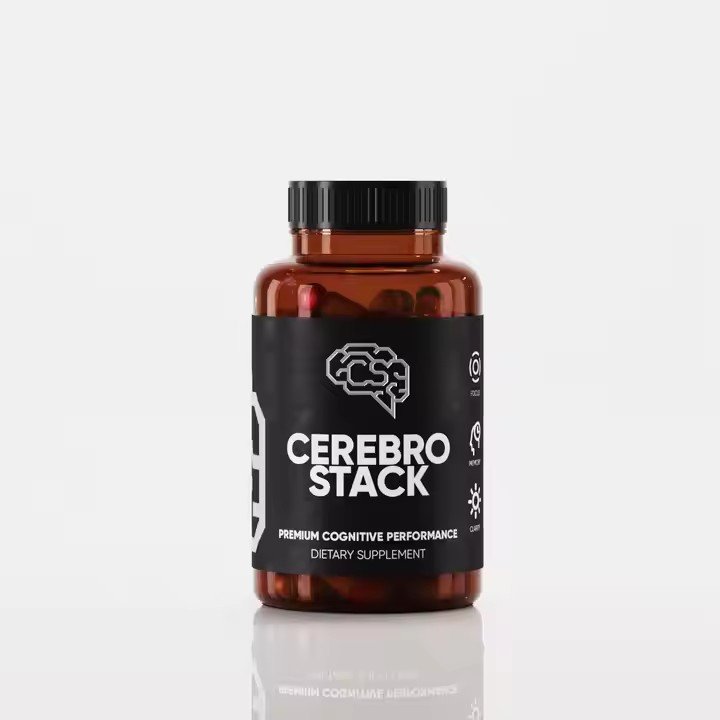
Decorative dental stickers (such as whitening strips and tooth gem stickers) are designed for general consumers. Their material safety must balance aesthetics with oral tolerance, while avoiding inferior materials containing mercury, lead, fluorescent agents, or other harmful substances.
1. Food-Grade PET Film Substrates
This is the mainstream safe base material for whitening strips. Food-grade PET (polyethylene terephthalate) film is non-toxic and odorless, adheres closely to the tooth surface, and does not react with whitening ingredients.
High-quality whitening strips often apply a gel layer containing plant extracts (such as licorice extract or vitamin E) onto the PET surface. This enhances adhesion while reducing enamel irritation from whitening agents and lowering the risk of tooth sensitivity.
The material must comply with GB 4806.7-2016 National Standard for Food-Contact Plastic Materials and Products, ensuring no harmful substances are released in the oral environment.
2. Natural Resin-Based Decorative Sticker Materials
Suitable for tooth gem stickers and patterned decorative stickers. Safe decorative substrates typically use natural pine resin or shellac rather than industrial synthetic resins.
Natural resins provide mild adhesion, do not damage enamel during removal, and contain no heavy-metal pigments. Colors are usually derived from food-grade colorants (such as beet red or curcumin), meeting food-contact safety requirements.
Some high-end products also incorporate antibacterial components to reduce the risk of bacterial growth caused by long-term adhesion.
3. Water-Soluble Gel Sticker Materials
This is an emerging category of safer decorative stickers. The core base material is hydroxypropyl methylcellulose (HPMC), a water-soluble polymer compound that can gradually dissolve in the mouth without manual removal, avoiding physical pulling that could damage teeth.
All ingredients added to the gel layer are food-grade, odorless, and non-irritating, making them suitable for children and sensitive users.

To determine whether dental sticker materials are safe, authoritative certifications should be used as benchmarks. The key standards include:
1. ISO 10993 Biocompatibility Certification
This is a mandatory certification for medical dental stickers, covering tests for cytotoxicity, sensitization, and mucosal irritation. Only materials that pass this certification can ensure no adverse reactions when in contact with oral tissues.
2. U.S. FDA Medical Device / Food-Contact Material Certification
Medical functional stickers must pass FDA medical device certification, while decorative stickers must comply with FDA food-contact material standards. Certification includes material composition analysis and migration testing to prevent harmful substance release.
3. EU CE Certification
Dental stickers entering the European market must obtain CE certification. Medical products must comply with MDR 2017/745, while decorative products must meet REACH regulations, ensuring conformity with EU environmental and safety requirements.
In addition to the materials themselves, manufacturing processes and usage methods also affect hygiene and safety. High-quality dental stickers should be produced in sterile workshops and use sealed, antibacterial packaging to prevent contamination during transportation.
During use, proper oral hygiene is essential. Medical dental stickers should be applied by professional dentists. Decorative stickers should not be worn for more than 24 hours and should not be worn continuously while eating or drinking, in order to prevent bacterial growth.
professional in one-stop Packaging Labels solutions
e-mail:hxmdlz@hxmpackage.com
Shenzhen Huaxinmei Printing Co., Ltd.
Fill in the form below to book a 30 min no-obligation consulting session.
I will reply within 24 hours.