The Complete Buyer’s Guide to 3D Stickers Custom for Premium Branding
We live in a three-dimensional world, so why settle for flat, easily forgotten paper decals? Running your thumb over a glossy car badge reveals the true psychological power of tactile design. According to consumer behavior studies, this physical depth creates an immediate “Double Take” factor, effortlessly transforming an ordinary logo into premium branding.
Table of Contents
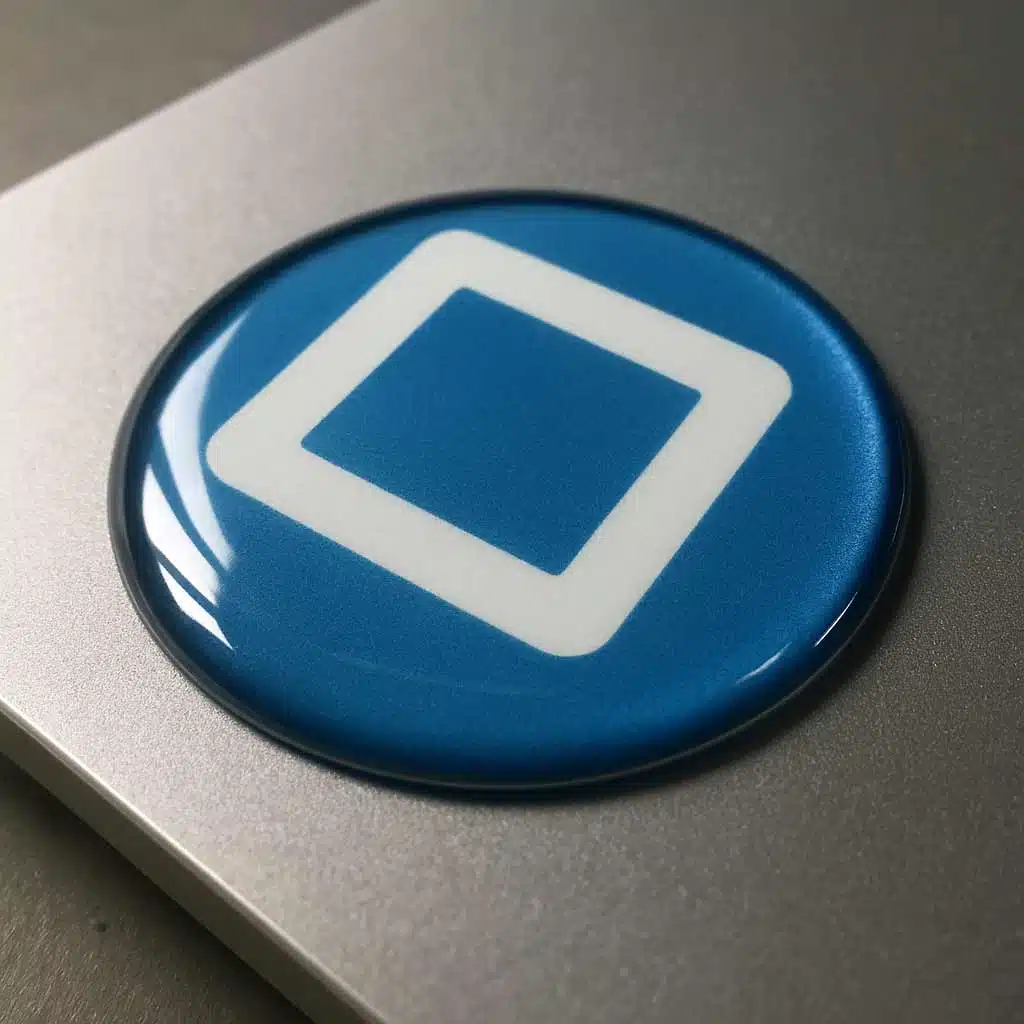
In practice, upgrading to custom 3D stickers provides more than just a luxurious feel. That crystal-clear dome acts like a protective helmet, giving high-gloss dimensional branding exceptional resistance to UV fading and deep scratches. This guide explores exactly how these vibrant, raised decals are crafted and helps you choose the perfect style for your gear.
Polyurethane vs. Epoxy: Choosing the Coating That Won’t Turn Yellow
Have you noticed how some clear stickers turn a crackly yellow after a few months on a car bumper? That cloudy look is caused by UV degradation, which happens when sunlight breaks down cheap plastics. To prevent this fading, premium scratch-resistant custom bubble stickers undergo a process called resin curing. Think of curing like baking—the liquid top layer is carefully hardened into a tough, protective shield.
While budget decals rely on basic epoxy, professional makers use polyurethane (PU) resin. This simple material upgrade provides several distinct UV-resistant dimensional label benefits:
Flexibility: Polyurethane bends seamlessly around curved water bottles, whereas rigid epoxy eventually snaps and peels.
Yellowing Resistance: PU acts like a permanent sunscreen, preventing sunlight from destroying your colors.
Outdoor Lifespan: Epoxy degrades quickly outdoors, but a properly cured PU dome survives harsh weather for years.
Choosing a polyurethane vs epoxy resin coating guarantees your design looks vibrant instead of cheap over time. A durable, glassy dome requires equally sharp artwork underneath to maximize the crystal-clear lens effect.
Designing Vector Art for a Crystal-Clear Lens Effect
Pouring a magnifying dome over your artwork exposes every flaw, making standard JPG or PNG files look blurry. For custom sticker design, printers require vector art, like AI or SVG files. Instead of using tiny colored pixels, vectors use digital lines to ensure your logo stays razor-sharp under the gloss.
Getting that perfect shape relies on a natural physical property called surface tension. Think of a water drop resting on a table—it naturally forms a round dome, never a square. Therefore, designing vector art for domed printing requires rounded corners. Sharp 90-degree points will cause the thick liquid to spill over the edge before it hardens.

Preventing awkward white borders is the final design step. You must include a “bleed zone”—extra background color extending past the physical cut line—to ensure flawless edge-to-edge color and a proper crystal clear lens effect finishing. Flawless artwork preparation ensures a clean pour, setting the stage for a smooth, bubble-free application on any surface.
The ‘No-Bubble’ Secret: Applying Raised Adhesive Stickers to Curved Surfaces
Sticking a thick 3D sticker onto a curved water bottle or helmet requires intense grip. Because these premium decals have a heavy top layer, they naturally want to spring back to a flat shape, causing the edges to peel. To combat this physical tension, manufacturers use an automotive-grade adhesive backing. This extreme grip ensures your design stays locked in place through harsh weather and daily wear.
Unlocking that permanent bond relies on “surface energy”—simply put, how willing a surface is to grab onto glue. Finger oils and cold temperatures act as invisible barriers. To guarantee a bubble-free application for curved surfaces, follow this simple prep routine:
Clean the target area with isopropyl alcohol to dissolve any hidden oils.
Dry the surface completely using a clean, lint-free cloth.
Warm both your item and the sticker to room temperature.
Gently pre-bend the unpeeled sticker to match the object’s natural curve.
Anchor the center of the decal first, then slowly press outward with your thumb to push air out. This technique prevents trapped pockets and secures a flawless finish. Once permanently mounted, these resilient decals open up new branding possibilities far beyond traditional flat surfaces.
Beyond the Laptop: High-Gloss Dimensional Branding for Everyday Items
Standard decals usually live on laptops, but a three-dimensional upgrade transforms ordinary objects into premium goods. Applying a glossy emblem to candle jars, metal tumblers, boutique cosmetics, phone cases, or vehicle dashboards skyrockets the perceived product value. Customers instinctively associate that glass-like finish with luxury rather than a cheap, temporary afterthought.
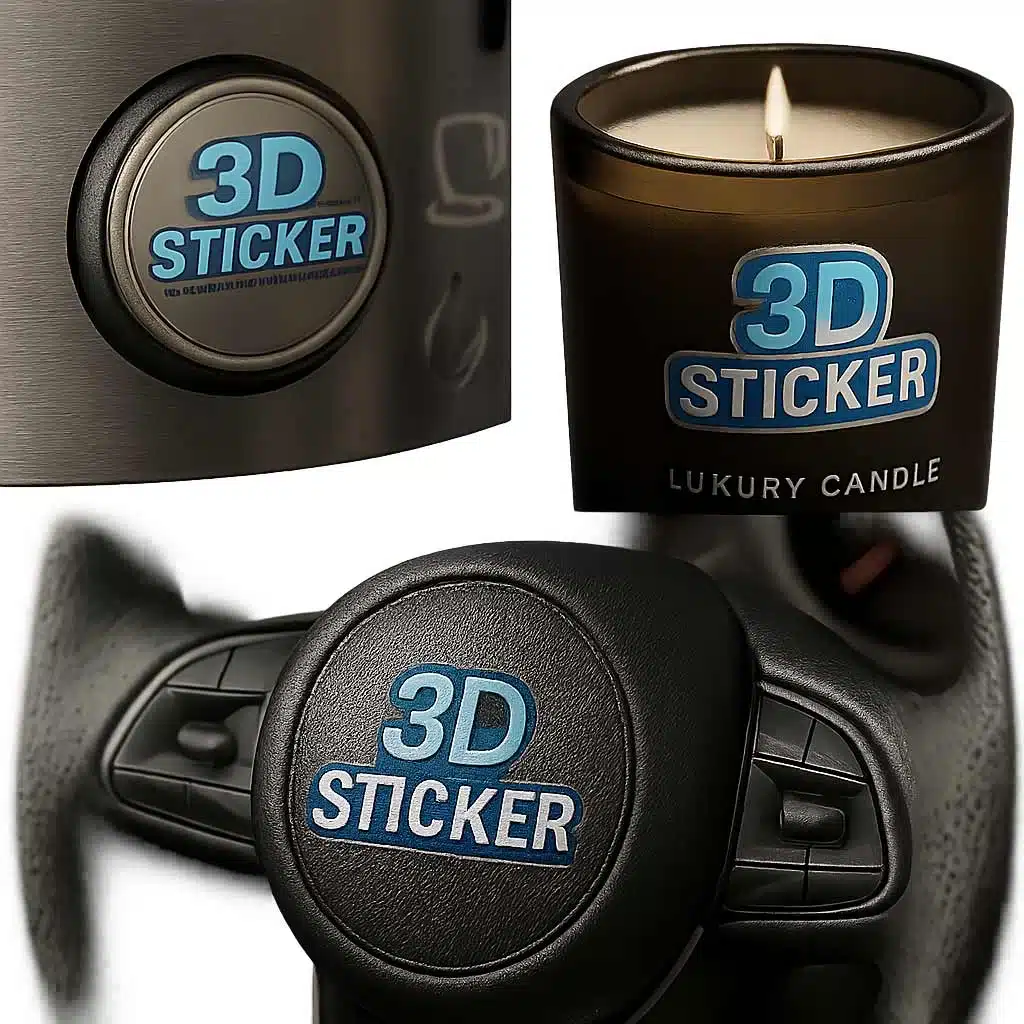
Taking designs outside requires serious durability, making weatherproof raised logo decals vastly superior to standard paper alternatives. Their thick resin coating acts like a protective helmet, preventing harsh sunlight, mud, and rain from fading your vibrant colors on rugged camping coolers or mountain bike frames.
Beyond looking great, these dimensional pieces literally change how a product feels under your thumb. Designers frequently use personalized tactile graphic overlays to create touch-friendly, raised buttons on electronics, coffee makers, and control panels. Professional manufacturing makes producing these functional, tactile elements accessible for any branding project.
Your 3D Transformation: How to Start Your Custom Sticker Project Today
Transforming flat labels into premium branding requires careful material and design choices. Whether you are vetting professional suppliers or trying a simple DIY domed decal tutorial at home, prioritizing quality materials is essential. Before printing your 3D custom stickers, use this checklist:
File check: Ensure your artwork is crisp, vector-based, and properly formatted with rounded corners before hitting order.
Material confirmation: Ask your supplier if their domed decals are waterproof, and insist on durable Polyurethane (PU) over yellowing epoxy.
Quantity verification: Order a small test batch to experience the tactile feel and test the adhesive strength first.
Adding a touch of physical depth changes how people interact with your design, turning a standard label into a lasting premium emblem.