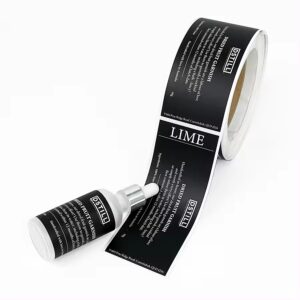


Cannabis jars do more than hold flower, pre-rolls, concentrates, or infused products. The label is often the first thing a buyer sees, the part a budtender handles, and the space where branding, compliance details, and product information all have to work together. For brands ordering at scale, choosing the right manufacturer for cannabis jar labels can make packaging cleaner, more consistent, and easier to manage across wholesale runs.
A wholesale cannabis label manufacturer should provide more than printed stickers. The right partner should help you create durable, accurate, brand-ready labels that fit your jars, support your packaging workflow, and leave room for the compliance information your market requires. For cannabis brands, that usually means custom sizing, dependable materials, crisp printing, scalable ordering, and a process that reduces friction from artwork setup to delivery.
Wholesale packaging is not the place for guesswork. A label that looks great on a screen can fail if it wrinkles on a curved jar, smears during handling, or leaves too little space for required details. A strong manufacturing process starts with the actual use case: jar size, surface texture, storage conditions, label shape, application method, and the visual impression the brand wants to create.
In a crowded retail environment, packaging has to communicate quickly. Cannabis jar labels help customers identify the product type, strain or flavor, potency details, net weight, batch information, warnings, and brand identity. Even when a dispensary has knowledgeable staff, the label still does important work before and after the sale.
For wholesale buyers, consistency is just as important as creativity. If a brand ships hundreds or thousands of jars, every label needs to align cleanly, display color accurately, and stay readable throughout distribution and handling. That consistency makes shelves look more professional and helps retailers trust that the product will arrive ready to display.
The label also supports internal efficiency. Clear product families, color-coded variations, and well-planned information hierarchy can make fulfillment, inventory checks, and restocking easier. In that sense, custom cannabis packaging is not only about presentation; it is part of the operational system behind the product.
Good cannabis packaging labels balance brand appeal with practical readability. A premium visual style matters, but it should never bury key product details. The best labels guide the eye from brand name to product name to essential information without making the jar feel cluttered.
A well-designed label usually considers:
These details become even more important when a brand has multiple SKUs. Custom weed labels should look cohesive across the product line while still making each item easy to identify.
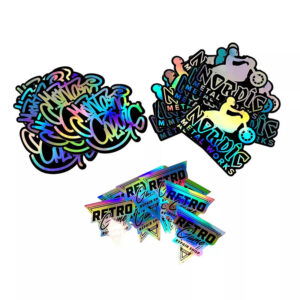
The right material depends on the jar, the product environment, and the brand style. A minimalist flower brand may prefer matte white labels, while a premium concentrate line may use metallic accents or clear film for a more refined shelf presence.
Label option | Best suited for | Practical benefit | Visual impression |
|---|---|---|---|
Matte paper | Dry storage, classic branding | Easy to read and write on when needed | Natural, clean, understated |
Gloss paper | Bright retail presentation | Enhances color and contrast | Polished and vibrant |
White film | Durable everyday packaging | Resists tearing better than paper | Smooth and modern |
Clear film | Glass jars and minimal designs | Creates a “no-label” effect | Premium and transparent |
Metallic or foil accents | Limited editions or upscale lines | Adds highlight and contrast | Bold, premium, eye-catching |
Textured stock | Boutique flower or artisan brands | Adds tactile interest | Crafted and distinctive |
A manufacturer may not offer every option, so brands should confirm material availability early. It also helps to request samples before placing a large wholesale order, especially when testing new jars or finishes.
Choose custom jar labels by starting with the container and working outward. Measure the jar, decide where the label will sit, identify what information must be included, and then select materials and finishes that support the brand experience. This approach prevents the common mistake of designing an attractive label that does not fit the real packaging environment.
Begin with exact dimensions. A wraparound label may offer more space, but it can be harder to apply perfectly on smaller jars. A front-and-back label system can feel cleaner and make compliance panels easier to manage. Lid labels or tamper-evident options may also be useful depending on the product and packaging format.
Next, think about the customer’s first glance. What should they notice first: the strain name, the brand, the product type, or the potency category? The answer may vary by product line. A medical-focused brand may emphasize clarity and data, while a lifestyle brand may prioritize mood, design, and flavor cues.
Finally, account for production realities. If your team applies weed jar stickers by hand, choose a shape and size that can be placed accurately without slowing down fulfillment. If you use automated labeling equipment, confirm roll direction, gap spacing, core size, and unwind orientation before printing.
Shelf presence is not just about being loud. Sometimes the strongest label is the one that looks organized, confident, and easy to understand. Cannabis shoppers often compare products quickly, so a clear design can build trust faster than a crowded one.
Color can help structure a product family. For example, one color system might separate indica, sativa, hybrid, CBD-rich, and infused products. Another might organize labels by flavor, potency tier, or collection. Whatever system you choose, keep it consistent enough that repeat customers can recognize it.
Typography also matters. Decorative fonts can support a brand personality, but product names, measurements, and required statements need to remain legible. Strong contrast, sensible spacing, and clean alignment make cannabis packaging labels easier to read on small surfaces.
Brands should also plan for variable data. Batch numbers, test details, QR codes, barcodes, strain names, and dates may change often. Leaving a dedicated space for these details helps avoid last-minute layout compromises.
Cannabis packaging is regulated differently depending on locati0n and product type. Because rules can change, brands should confirm current requirements with their legal, compliance, or regulatory team before printing. A label manufacturer can produce the physical label, but the brand is typically responsible for verifying that the final artwork meets applicable rules.
A compliance-aware layout leaves enough room for required text, symbols, warnings, product identity, quantity statements, and tracking information where applicable. It also avoids design choices that make important information hard to read. Tiny type, low contrast, busy backgrounds, and overly reflective finishes can all create problems.
Instead of treating compliance content as an afterthought, build it into the design from the beginning. This makes the final label look intentional rather than patched together. It also helps reduce the chance of redesigns when your product line expands or enters a new market.
Wholesale label production can help brands streamline packaging across multiple products. Ordering custom cannabis packaging in larger quantities may reduce repeat setup work, improve consistency, and help teams maintain supply for planned production runs. It also allows brands to create a more unified packaging system instead of sourcing labels one batch at a time.
A wholesale-ready manufacturer should be able to discuss artwork requirements, proofing, material selection, roll or sheet formats, and repeat order management. For growing brands, repeatability is especially valuable. Once a label is approved, future runs should match the approved design as closely as possible.
Here are practical questions to ask before placing a wholesale order:
These questions help protect both the brand image and the packaging timeline.
Many label problems start before production. The artwork may be beautiful, but if it does not account for real jar dimensions or required information, the final packaging can feel rushed. A careful preprint review saves time and reduces waste.
Avoid these common issues:
A good manufacturer will encourage practical checks because the goal is not just a label that prints well. The goal is a label that works on the container, in the workflow, and on the shelf.
What are cannabis jar labels used for? Cannabis jar labels are used to brand jars, identify the product, and display important details such as product name, quantity, batch information, warnings, barcodes, and other required content. They also help retailers organize products and help customers understand what they are buying.
Are weed jar stickers different from regular stickers? Weed jar stickers can be similar in format to regular stickers, but they are usually planned around cannabis packaging needs. That means they may require specific sizing, stronger adhesive compatibility, space for compliance details, and finishes that support retail presentation.
Can one label design work across multiple cannabis products? Yes, if the design system is built with flexibility. A shared template can support multiple strains, flavors, or product categories while keeping the brand consistent. The key is leaving room for variable information without making the label feel crowded.
Should I order custom jar labels on rolls or sheets? Rolls are often useful for faster application and automated labeling, while sheets may work for smaller runs or manual application. The best choice depends on your production volume, equipment, and packaging process.
A reliable Custom Cannabis Jar Labels Manufacturer for Wholesale Packaging helps turn jars into clear, consistent, retail-ready packaging. The best results come from matching label size, material, finish, artwork, compliance space, and application method before production begins. When cannabis jar labels are planned carefully, they do more than decorate a container; they support brand recognition, buyer confidence, and smoother wholesale operations.
Hi! How can we help you today?Tell me the products that need to be made and add WhatsApp.+86 18680366752
Continue to WhatsAppWhatsApp will open so you can send your message.
Choose a contact method or leave a message.
Our team may be busy right now. Please leave your email or WhatsApp number and we will reply as soon as possible.
Fill in the form below to book a 30 min no-obligation consulting session.
I will reply within 24 hours.