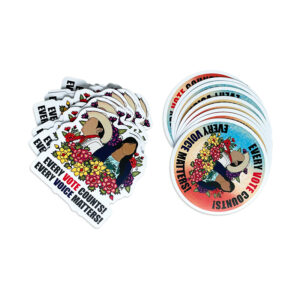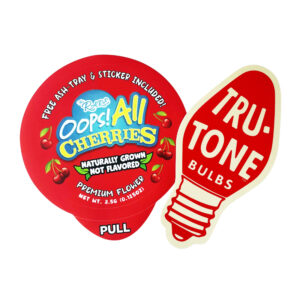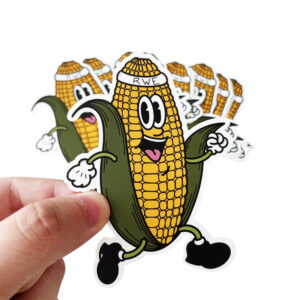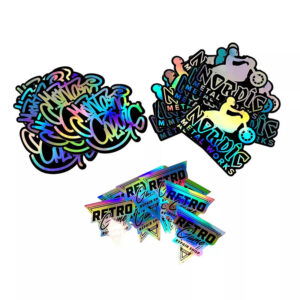
Custom-shaped stickers give brands a small, affordable product that feels polished, collectible, and easy to share. ODM die cut sticker printing combines product development, sticker design support, material selection, and production so a brand can move from idea to ready-to-use stickers with fewer handoffs. Whether you need packaging inserts, event giveaways, artist merch, or branded decals, the right approach helps your custom stickers look intentional rather than generic.
Die cut stickers are stickers cut all the way through both the printed material and the backing, creating individual pieces shaped around the artwork. Instead of a standard square or circle, the sticker follows the logo, mascot, lettering, illustration, or product outline. This makes each piece feel more custom and presentation-ready, especially when handed out, packed into orders, or sold as merchandise.
In ODM projects, the process often starts before printing. A team may help refine the sticker design, check whether the shape can be cut cleanly, prepare production files, and recommend materials based on where the stickers will be used. That matters because a sticker for a laptop, water bottle, shipping box, or outdoor surface may need different performance priorities.

Die cut stickers and kiss cut stickers can both look professional, but they are built for different use cases. A die cut sticker is a single, fully cut piece, while a kiss cut sticker is cut through the adhesive layer but left on a larger backing sheet. That backing can make kiss cut products useful for sticker sheets, multiple small designs, or designs with delicate edges.
Choose die cut when the sticker itself is the product or giveaway. It feels clean in the hand, photographs well, and works nicely as a packaging insert, convention freebie, or retail add-on. Choose kiss cut when you want several designs on one sheet, easier peeling for very intricate shapes, or a set that customers can use over time.
A quick decision guide:
Good sticker printing is not only about putting ink on vinyl. It depends on material, adhesive, print method, surface finish, cut accuracy, and file preparation. For example, some production programs use vinyl such as 3M IJ35C with UV-cured ink to support water resistance, weather resistance, and longer outdoor use. The exact specification should always be confirmed with the supplier because durability varies by material, laminate, exposure, and application surface.
Color also deserves attention. Bright artwork, gradients, small text, and brand colors need a print process that can reproduce detail without muddy edges. If a brand has strict color requirements, providing reference values and requesting a proof can reduce surprises. For many teams, the most valuable part of ODM support is not simply the ability to print stickers, but the review process that catches issues before production.
A practical pre-production review may check:

Brands should prepare artwork with a clear shape, sufficient resolution, proper bleed, and a separate cut line when possible. Vector files are usually preferred for logos and illustrations because they scale cleanly, while high-resolution raster files can work for detailed art when prepared at the final print size. If you are unsure, send the best available file and ask for an artwork review before approving production.
The most common design mistake is treating the sticker like a flat digital graphic without considering its physical edge. Thin points, tiny gaps, and complicated outer shapes can be difficult to cut or peel. A slightly simplified outline often creates a better finished product, especially for personalized stickers intended for everyday use.
Useful design tips include:
Personalized stickers work because they travel. A customer may place one on a laptop, notebook, bottle, toolbox, bike, case, or car window, turning a small printed item into a visible brand reminder. For direct-to-consumer brands, a sticker inside a shipment can make the unboxing feel more generous without complicating the product itself.
Artists and creators often use die cut stickers as entry-level merchandise. They are easier to display than larger products, simple to pack for conventions, and appealing to fans who want a small collectible. Businesses can use them for seasonal campaigns, product launches, subscription boxes, local events, or loyalty gifts.
They also work well when the shape carries meaning. A coffee brand might print stickers in the shape of a cup or badge. A pet brand might use a paw, bone, or mascot. A tech company might turn its icon into a clean laptop decal. The more the shape supports the identity, the more memorable the sticker feels.
When comparing suppliers, avoid judging only by the lowest unit price. Sticker cost can change based on size, material, finish, quantity, number of designs, packaging, proofing, and turnaround. Some vendors support low minimum order quantities, while larger runs can lower the per-piece cost. Pricing in the market can range widely, so it is better to request quotes based on your exact artwork, size, material, and volume.
A strong sourcing conversation should cover:

The smoothest projects usually follow a simple path: define the use case, prepare artwork, confirm material, review the proof, approve production, and inspect the finished stickers. This sequence prevents a common problem: choosing a beautiful design before deciding where and how the sticker will be used.
For example, a sticker made for product packaging may prioritize brand color and unboxing appeal. A vehicle decal may need stronger outdoor performance. A convention sticker may need a bold shape that catches attention on a crowded table. Starting with the purpose helps every production choice make sense.
Die cut stickers are a smart choice when a brand wants custom shapes, strong presentation, and flexible use across packaging, merch, events, and everyday promotion. With thoughtful sticker design, reliable sticker printing, and a clear ODM production process, brands can print stickers that feel durable, attractive, and aligned with their identity. The best results come from matching the design, material, finish, and quantity to the real-world job the sticker needs to do.
Are die cut stickers waterproof? Many vinyl die cut stickers can be water-resistant, especially when printed with durable inks and finished appropriately. Always confirm the material and finish if the stickers will be used outdoors, on bottles, or in wet conditions.
Can I order personalized stickers in small quantities? Many suppliers offer low minimums, but the exact quantity depends on the vendor, design count, size, and material. Ask for pricing at several quantities to see where the best value begins.
Do I need a finished design before requesting ODM sticker services? Not always. A clear logo, sketch, reference image, or brand concept may be enough to begin a design review, but final printing requires production-ready artwork and an approved cut path.
Hi! How can we help you today?Tell me the products that need to be made and add WhatsApp.+86 18680366752
Continue to WhatsAppWhatsApp will open so you can send your message.
Choose a contact method or leave a message.
Our team may be busy right now. Please leave your email or WhatsApp number and we will reply as soon as possible.
Fill in the form below to book a 30 min no-obligation consulting session.
I will reply within 24 hours.