
How to Evaluate a Cigar Label Wholesaler Before Large Procurement
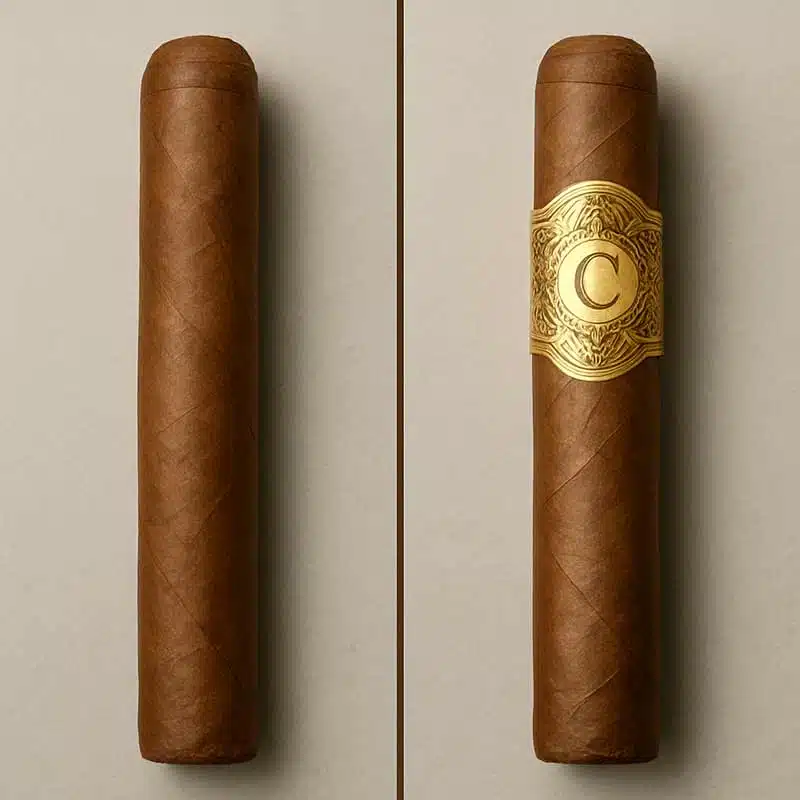
Think of the last time you held a high-end cigar. Before you even smelled the rich tobacco, your fingers brushed against the glint of raised gold foil and the heavy texture of the paper band. That tiny, two-inch strip of paper is actually a miniature masterpiece of engineering, designed to capture attention instantly. Consumer psychology reveals that this initial physical contact heavily dictates a product’s perceived market value. Buyers subconsciously judge the quality of the smoke entirely by the craftsmanship of its packaging.
Pouring your heart into blending the perfect tobacco, only to watch it sit untouched on a shelf because the wrapper looks like it came from a basic home printer is a frustrating reality. This phenomenon, often called “branding blindness,” occurs when an otherwise fantastic product fails strictly because it looks cheap. Elevating a simple smoke into a luxury experience requires premium cigar art that commands respect at a glance. Without that crucial visual appeal, even the most exceptional blends struggle to gain traction in a crowded marketplace where first impressions are everything.
Securing these luxurious bands without draining your budget requires tapping into the right supply chain. Working with a Cigar Label Wholesaler is essentially like having a Costco membership for your branding—buying at the source saves serious money, but you need to know exactly what you are purchasing. This specialized distributor acts as the vital bridge connecting the heavy-duty printing factories with ambitious brand owners or event planners. Through their custom cigar band printing services, they transform raw paper and metallic ink into your brand’s most powerful asset.
Navigating this bulk-buying landscape does come with distinct financial hazards if you aren’t careful. According to retail packaging experts, committing to a massive order of low-quality labels can completely derail a new brand’s launch by permanently damaging its reputation before a single cigar is lit. Vetting a supplier properly ensures you secure a premium, embossed finish without falling victim to costly production errors.
Table of Contents
What Exactly Does a Cigar Label Wholesaler Do for Your Brand?
Stepping into a local print shop for event flyers is simple, but sourcing professional cigar bands requires specialized expertise. A Cigar Label Wholesaler bridges the gap between your brand and the factories producing these miniature masterpieces. Unlike a standard printer, wholesale partners operate on an “economy of scale.” Much like buying at a warehouse club, ordering bulk tobacco ring gauge stickers through a wholesaler reduces the cost per band while ensuring absolute consistency across your entire inventory.
The most critical number in this partnership is the MOQ—Minimum Order Quantity—which is simply the smallest batch size a factory will profitably run. Whether you need high-volume printing for cigar manufacturers or a modest boutique run, wholesalers deliver unique value beyond the press through:
Template provision: Offering affordable, ready-to-use “stock” designs versus fully bespoke “custom” creations.
Bulk material sourcing: Purchasing premium papers and inks at discounted rates.
Archival storage of plates: Safeguarding your expensive metal printing stamps for future reorders.
Logistical coordination: Managing the delivery timeline from factory floor to humidor.
Choosing between an affordable stock template and a custom design depends entirely on your budget and the visual impact you want to create. Once a logistical partnership is established, the focus naturally shifts to aesthetics and choosing the right high-end textures.
Embossed vs. Foiled: How to Choose the High-End Texture Your Customers Can Feel
Sliding a cigar from its tube and immediately feeling a raised crest beneath your thumb is the tactile power of embossing, a process that presses designs into paper to create a 3D texture you can actually feel. When evaluating custom cigar band printing services, upgrading from a standard flat print to an embossed design is the easiest way to signal luxury. It transforms simple paper into a classic, understated monument for your brand that appeals directly to the sense of touch.
While texture commands the fingers, foiling captures the eye by stamping ultra-thin metallic layers directly onto the paper. In a dimly lit lounge or a crowded glass humidor, that sudden glint of gold catching the light makes a customer look twice. Standard yellow ink simply cannot replicate the reflective brilliance of genuine foil, making this technique essential for brands wanting to stand out instantly on a busy retail shelf.
Deciding between these finishes depends entirely on the specific identity your tobacco line projects. If you are sourcing premium lithographic cigar art for a flashy modern boutique release, heavy metallic foiling delivers a vibrant, high-energy impact. Conversely, a heritage luxury brand might prioritize the sophisticated depth of a sculpted crest. Ultimately, measuring embossed vs foiled cigar label quality is just a matter of matching visual weight to your brand’s personality.
Top-tier manufacturers often combine both techniques, pressing metallic foil into raised 3D shapes for an ultimate premium finish. Yet, no matter how beautifully sculpted or brilliantly shiny your paper art might be, it is entirely worthless if it falls off the leaf. This makes the adhesive just as crucial as the artwork.

Avoiding the ‘Sticky Situation’: Why the Right Adhesive for Cigar Wraps Prevents Product Damage
Have you ever noticed how a cigar band stays beautifully wrapped without actually sticking to the tobacco itself? Using standard office stickers might seem like a quick fix for a custom event, but it often ruins a premium smoke. Tobacco leaves are naturally oily and heavily humidified, causing normal craft glue to fail and creating “label pop” where bands simply fall off. Choosing the right adhesive for cigar wraps requires a highly targeted approach that respects the delicate nature of the leaf.
To deliver cost-effective branding for handmade cigars without sacrificing product safety, wholesalers use industry-specific, food-grade glues. When placing an order, always ask your printer for certified “tobacco-safe” adhesive. This specialized glue must check three crucial boxes:
pH-neutrality: The formula cannot be acidic, ensuring it will never seep into the wrapper to stain the leaf or alter the tobacco’s natural flavor.
Tackiness: It must aggressively bond paper-to-paper, holding tight even when wrapped around oily, textured surfaces.
Heat resistance: The seal must survive warming temperatures without peeling or melting as the lit cigar is actively smoked.
Mastering this hidden chemistry ensures your beautifully foiled design stays securely attached until the smoker is ready to gently remove it. Once a safe adhesive is secured, the next logistical hurdle is ensuring the paper actually fits the product perfectly.
Standard Sizes vs. Custom Shapes: Mastering Ring Gauge Stickers for Every Vitola
Like wrapping a gift, cigar banding requires enough paper to safely overlap the ends. Sizing depends on the vitola (the cigar’s overall shape) and ring gauge (its thickness). To order bulk tobacco ring gauge stickers that fit perfectly, you must understand this baseline math. Ring gauges represent 64ths of an inch, meaning a 64-ring cigar is exactly one inch thick.
Achieving a flawless fit relies entirely on the “Overlap Rule.” Because your chosen adhesive must only bond paper-to-paper—never touching the oily wrapper leaf—bands require an extra 5 to 8 millimeters of length to close securely. If you are wondering what is the standard size for cigar rings, it simply requires calculating your specific cigar’s circumference and adding this vital safety net.
To eliminate the guesswork from your wholesale order, reference this straightforward guide. These measurements guarantee your bands will look professionally snug without crushing the delicate tobacco:
| Ring Gauge | Recommended Label Length (+5mm Overlap) | | :— | :— | | 42 | 57mm | | 50 | 67mm | | 54 | 72mm | | 60 | 80mm |
Beyond calculating length, you must also select a physical shape. The difference between die-cut and square labels ultimately comes down to your budget. Straight-cut rectangular bands are highly cost-effective. Conversely, die-cutting acts like an industrial cookie cutter, punching out intricate crests while requiring upfront fees for custom metal blades. Fortunately, you can achieve a luxurious finish affordably by sourcing premium lithographic art without custom design costs.
Sourcing Premium Lithographic Art Without Custom Design Costs
Starting from scratch with an artist drains budgets, but a hidden industry shortcut exists. Wholesalers maintain extensive catalogs of open-market designs functioning as high-end graphic design templates for boutique cigar brands. Simply select a classic motif—like a royal crest, majestic shield, or vintage script—and the wholesaler lightly customizes it with your text. This simple strategy immediately saves you thousands of dollars in upfront design fees while providing a sophisticated foundation.
When sourcing premium lithographic cigar art from these libraries, you instantly elevate your product’s perceived value. Standard digital printing operates like a basic office printer laying flat ink on a page. In contrast, true lithography is a highly tactile process. It utilizes metal plates to press rich colors and metallic foils deeply into thick paper. The result is an iconic, raised texture that catches the light and signals pure luxury before a cigar is even lit.
Ultimately, locking in this timeless artwork at wholesale prices ensures your brand looks expensive. However, even the most beautifully foiled crest fails if the paper curls or peels shortly after packaging. Because these tiny masterpieces spend months in moisture-heavy environments, you must look beyond aesthetics and confront the “weatherproof” myth to select materials that survive humidors and travel.
The ‘Weatherproof’ Myth: Selecting Materials That Survive Humidors and Travel
Spending a premium on beautiful labels, only to pull a cigar from the humidor a month later and find the colors smudged, is a fast way to lose customer trust. Cigars require constant 70% humidity, a climate that quickly destroys regular paper through “humidity bleed”—a process where airborne moisture causes standard inks to smear. To survive this environment, the label’s foundation must be robust. This thickness is measured in GSM (Grams per Square Meter), where a higher GSM indicates a denser paper that resists curling when exposed to moisture.
Finding proper weatherproof materials for humidor labels relies heavily on how this thick paper is treated. Wholesalers generally offer three main durability tiers:
Standard: Untreated paper that absorbs humidor moisture, causing colors to bleed and edges to peel.
Varnished: High-GSM paper sealed with a clear liquid coating (varnish) that locks in ink and acts as a moisture barrier.
Synthetic-Hybrid: Completely waterproof blends of paper and plastic fibers, frequently utilized as durable, eco-friendly paper options for tobacco packaging.
Securing these moisture-resistant materials ensures your luxurious branding survives the long journey from the factory to the smoker’s hand. Physical durability is only part of the equation, as non-compliant text can still trigger federal seizure of a perfect batch.
FDA Labeling Requirements: Protecting Your Bulk Procurement from Legal Seizure
Buying thousands of beautiful, moisture-resistant bands means nothing if federal agents confiscate them at the warehouse. Every tobacco brand faces a strict regulatory hurdle, specifically regarding health warnings. Navigating these rules requires more than just pasting text onto paper; it demands a partner who understands the legal landscape to protect your investment from costly legal seizures of non-compliant products.
When selecting a production partner, you must verify they are fluent in the FDA labeling requirements for tobacco products. The most critical regulation is the “30% rule,” which dictates that health warnings must occupy at least 30 percent of the two principal display panels of the packaging. A skilled Cigar Label Wholesaler knows exactly how to calculate this mandatory real estate on a tiny piece of paper without destroying your brand’s carefully crafted aesthetic.
Harmonizing these mandatory warnings with luxury branding is where true craftsmanship shines. Instead of slapping a glaring white box over your beautiful gold foil, expert designers adjust background colors, typography, and layout flow to integrate the legal text seamlessly. They treat the warning area as a foundational element of the canvas rather than an afterthought, ensuring the band looks like a cohesive, premium masterpiece.
Striking this delicate balance between striking art and strict federal compliance is notoriously difficult to judge on a computer screen. Even a meticulously calculated design might look cluttered or legally questionable once printed to scale. Because digital proofs cannot accurately convey how these mandatory warnings interact with raised textures, understanding why prototype samples are non-negotiable before high-volume printing orders is your ultimate safeguard.

Why Prototype Samples are Non-Negotiable Before High-Volume Printing Orders
Viewing a vibrant design on a computer screen is vastly different from holding the final product. When securing custom cigar band printing services, never rely solely on a “digital proof”—a basic PDF file emailed for your approval. Screens illuminate colors with digital light, naturally appearing much brighter than physical ink pressed into textured paper. To prevent expensive surprises when buying in bulk, you must demand a “press proof,” which is a physical, printed prototype of your exact label.
Once this physical version arrives, it becomes your “Golden Sample.” This approved master copy acts as your insurance policy, holding the wholesaler accountable for delivering identical quality during the final bulk run. Before giving your official approval, subject the paper to a 5-step DIY stress test:
The Rub Test (ensuring wet ink doesn’t transfer to your fingers)
The Water Test (checking basic moisture resistance for humidors)
The Heat Test (mimicking warm storage conditions)
The Wrap Test (confirming the paper folds cleanly without cracking)
The Color Check (viewing metallic foils under natural sunlight instead of office bulbs)
Completing this hands-on evaluation proves exactly why ordering prototype samples for cigar bands is essential before committing to mass-market volumes. With material durability confirmed, your attention must shift to the paper’s physical shape. Deciding how the label is trimmed drastically impacts your budget, leading many to weigh standard straight edges against custom silhouettes to reduce branding costs without sacrificing style.
Die-Cut vs. Square Labels: Reducing Branding Costs Without Sacrificing Style
Premium cigar bands often feature intricate, crest-like edges instead of straight lines. This tailored shaping is achieved through die-cutting—a process where a custom metal blade acts like a heavy-duty cookie cutter to punch out your specific design. However, this personalization carries hidden expenses, specifically die-cutting setup fees to forge that unique blade. If you need cost-effective branding for handmade cigars, relying on standard tooling—using pre-existing square or rectangular cutting blades—drastically reduces your upfront manufacturing costs.
Fortunately, understanding the difference between die-cut and square labels reveals a clever industry shortcut to save money without sacrificing luxury. Designers often use a visual illusion trick by printing rich background colors that perfectly match the cigar wrapper directly onto a standard rectangular strip. When securely wrapped around the tobacco, the dark edges seemingly vanish against the leaf, making the central gold logo appear as though it was expensively carved into a custom silhouette.
Beyond the printing press, the physical footprint of your paper directly impacts the speed and labor cost of applying them to your inventory. Standard rectangles wrap swiftly, whereas elaborate, jagged edges require meticulous handling to prevent tearing. Navigating these practical specifications demands transparent guidance from your printing partner, making it vital to closely evaluate their communication and spot red flags before you sign a binding contract.
Evaluating Wholesaler Communication: Spotting Red Flags Before You Sign the Contract
Finding a Cigar Label Wholesaler is much like hiring a contractor; early communication directly predicts how the final project will unfold. If a printer dodges questions about lead-time transparency—the exact timeframe from approving your digital design to receiving the physical shipment—consider it a massive red flag. High-volume printing for cigar manufacturers requires strict schedules, meaning you need a partner willing to clearly explain technical details instead of hiding behind vague promises.
Before committing to a large order, protect your brand by securing a Quality Guarantee: a formal written agreement that the facility will reprint your bands at no extra cost if the gold foil flakes or the cuts are crooked. To test their reliability and customer service, always ask these three crucial questions:
‘What happens if the color is off?’
‘Can you provide references?’
‘Is there a rush fee?’
Ultimately, the absolute lowest price is never a bargain if it includes unreliable delivery dates. Balancing reasonable upfront costs against dependable shipping timelines ensures your cigars never sit unbranded waiting for a delayed truck. Once you establish trust with a communicative vendor, you can confidently explore advanced material choices, such as sourcing eco-friendly paper options to appeal to the modern enthusiast with sustainable packaging.
Eco-Friendly Paper Options: Appealing to the Modern Enthusiast with Sustainable Packaging
Modern consumers actively seek both luxury and environmental responsibility. By choosing eco-friendly paper options for tobacco packaging, you give your boutique brand a powerful unique selling point. This green approach strongly appeals to modern enthusiasts who value a healthy planet just as much as a smooth, premium smoke.
Transitioning to earth-conscious materials never means sacrificing that expensive, textured feel. Wholesalers now offer bands made from sustainable fiber, like hemp or recycled cotton, which easily survive the moist environment of a high-humidity humidor. When paired with soy-based inks—a process replacing harsh petroleum with natural plant oils—these bands maintain vibrant, non-toxic coloring and crisp details without harming the environment.
Expect a slight price premium for these specialized materials, but view it as a smart business move. Since buyers eagerly support environmental initiatives, this choice doubles as highly cost-effective branding for handmade cigars, easily justifying the extra pennies per band. With your ideal eco-conscious materials selected and your vendor vetted, you are ready for your pre-procurement checklist: 5 final steps to secure your investment.
Your Pre-Procurement Checklist: 5 Final Steps to Secure Your Investment
A cigar label is much more than a simple paper strip; it serves as the visual and tactile soul of your brand identity. Knowing how to leverage embossing, foiling, and proper adhesive ensures your packaging reflects the premium quality of the tobacco inside.
Evaluating a wholesaler’s technical capabilities and material options protects both your premium product and your profit margin. Before finalizing any agreements, protect your investment by running through this clear ‘Go/No-Go’ guide:
The Ultimate Procurement Checklist:
Physical Prototype verified?
FDA Warning sizing checked?
Adhesive pH-neutral?
Lead time confirmed?
MOQ vs Unit Price balanced?
Requesting physical sample kits from multiple vendors allows you to test paper weight, inspect metallic foils, and verify adhesive quality firsthand before committing your budget. Finding the right Cigar Label Wholesaler is the essential bridge between a good smoke and a truly unforgettable experience.