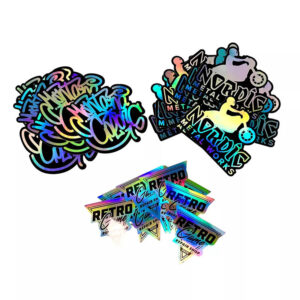
Custom stickers for cars are a practical way to turn plain vehicles into branded, decorative, or informational surfaces. For distributors, auto accessory brands, fleet operators, and OEM buyers, factory printing makes it possible to order consistent custom vehicle stickers at scale with controlled materials, finishing, and packaging. This guide explains what to consider when sourcing custom car decal stickers, from design choices and adhesive types to bulk production and quality checks.


What makes factory-printed car stickers different?
Factory-printed car stickers are produced through a controlled manufacturing process rather than one-off craft printing. That means the buyer can specify size, shape, color, material, adhesive, finish, liner, packaging, and labeling before production begins. For OEM supply, this consistency matters because every batch of personalized vehicle decals needs to look, feel, and perform the same across many units.
A factory approach also supports repeat orders. Once artwork, color references, die-cut shapes, and material specifications are approved, future batches can follow the same standard. This is especially useful for custom car window stickers, dealership labels, warning decals, promotional stickers, and branded accessory kits.
Common uses for custom vehicle stickers
Custom vehicle stickers can serve many purposes beyond decoration. Some are designed to promote a brand, while others provide safety information, identification, or personalization. The right use case will influence the material, adhesive strength, size, and print finish.
Sticker type | Typical use | Common placement | Key sourcing consideration |
|---|---|---|---|
Custom car window stickers | Promotions, permits, information labels | Rear window, side glass, windshield corner | Visibility, removability, glass-safe adhesive |
Personalized car decals | Style, branding, club graphics | Doors, panels, hood, trunk | Outdoor durability and clean die-cut edges |
Custom bumper stickers | Campaigns, humor, brand messages | Rear bumper or body panel | Weather resistance and strong adhesion |
OEM vehicle labels | Product identification, warnings, instructions | Interior, exterior, packaging kits | Accurate artwork, repeatability, compliance needs |
Promotional decals | Giveaways, retail packs, events | Multiple surfaces | Cost efficiency and packaging presentation |
For consumer-facing products, appearance often carries the most weight. For OEM or fleet applications, consistency, readability, and reliable adhesion usually matter more. A good supplier should help match the sticker construction to the real environment where it will be used.
Materials and finishes shape performance
The material behind a sticker determines how it handles sunlight, water, temperature changes, and daily wear. Vinyl is a common choice for custom bumper stickers and exterior custom car decal stickers because it is flexible and suitable for outdoor use. Other films may be selected for specific looks, application methods, or budget requirements.
Finish is just as important as the base material. A gloss finish can make colors appear bright and polished, while matte creates a softer, modern look that reduces glare. Clear materials work well when the design needs to blend into glass or paint, while white materials help printed colors appear more solid and vivid.
Buyers should also consider whether the sticker needs lamination. A protective laminate can help shield printed graphics from scratches, moisture, and sun exposure. For short-term promotions, lamination may not be necessary; for long-term exterior decals, it is often worth discussing during the specification stage.
Design choices that affect production quality
Great-looking personalized vehicle decals start with production-ready artwork. Clean vector files, clear cut lines, and accurate color references help the factory reproduce the design with fewer adjustments. Small text, thin lines, gradients, and complex shapes should be reviewed carefully because they may look different once printed, cut, and applied to a curved vehicle surface.
Color expectations should also be managed early. Screen displays use light, while printing uses inks, so a color on a monitor may not match the final decal perfectly. For brand-sensitive orders, buyers should provide color codes or request a printed sample before approving mass production.
A few design habits can improve results:
- Keep essential text large enough to read from the intended viewing distance.
- Use high-contrast colors for warning labels, promotional messages, and custom car window stickers.
- Add bleed where needed so edges look clean after cutting.
- Avoid placing critical details too close to the cut line.
- Choose shapes that are easy for end users to peel, position, and apply.

OEM supply requires more than printing
OEM supply is not only about making stickers; it is about delivering a repeatable component that fits into another company’s product, packaging, or installation workflow. This may include private labeling, barcode labels, bagged decal kits, instruction inserts, or batch tracking. If the sticker will be included with an automotive accessory or installed during assembly, packaging and documentation can be as important as the decal itself.
Clear specifications reduce risk. Buyers should define dimensions, materials, adhesive type, print colors, finish, tolerance expectations, packaging count, and shipping carton requirements before production. If the product will be reordered regularly, the factory should keep approved samples or production references to support consistency.
For brands selling custom car decal stickers under their own name, OEM support can also help with retail presentation. Stickers can be supplied as singles, sheets, sets, rolls, or packaged kits depending on the sales channel. The goal is to make the finished product easy to store, ship, display, and apply.
Choosing the right adhesive for the job
Adhesive selection affects both performance and user experience. A sticker that falls off too soon creates frustration, but one that is too aggressive may be difficult to remove. The best adhesive depends on the surface, expected lifespan, temperature exposure, and whether the decal is temporary or permanent.
Adhesive option | Best suited for | Main benefit | Watch point |
|---|---|---|---|
Removable adhesive | Temporary promotions, window notices | Easier removal with less residue | May not suit long outdoor use |
Permanent adhesive | Exterior decals, bumper stickers | Stronger long-term hold | Removal may require extra care |
Static cling | Interior glass stickers | No traditional adhesive | Works best on smooth glass |
Repositionable adhesive | Larger decals, DIY application | Easier alignment during installation | Final bond may vary by surface |
For custom car window stickers, the choice often depends on whether the sticker goes inside or outside the glass. Interior-facing designs may last longer because they are protected from weather, but they must be printed in a way that reads correctly from outside. Exterior stickers may be simpler to read and apply, but they need materials and inks suitable for outdoor exposure.
Factory printing workflow from quote to shipment
A typical factory order follows a step-by-step process. The details may vary by supplier, but a structured workflow helps keep expectations clear and prevents mistakes before mass production begins.
- Share the requirement. Provide artwork, size, quantity, use case, surface type, and packaging needs.
- Confirm specifications. Select material, adhesive, finish, shape, print method, and delivery format.
- Review quotation and timing. Check price, sample options, production lead time, and shipping method.
- Approve artwork proof. Confirm layout, cut line, colors, text, and orientation.
- Test samples when needed. Apply samples to the intended surface and inspect appearance and adhesion.
- Begin bulk production. The factory prints, finishes, cuts, and packs according to the approved standard.
- Inspect and ship. Finished goods are checked, packed, labeled, and prepared for delivery.
This workflow is especially helpful for Custom Stickers for Cars: Factory Printing and OEM Supply projects where the decals will be resold, installed by dealers, or included in branded product kits.
Quality checks before bulk approval
Quality control should begin before the full order is printed. A physical sample can reveal issues that a digital proof cannot, such as material thickness, finish, adhesive feel, color density, and peel performance. For custom bumper stickers and exterior personalized car decals, testing on a clean vehicle surface is a practical way to assess usability.
Before approving a batch, check these details:
- Artwork is sharp, correctly aligned, and free from unwanted marks.
- Cut edges are smooth and follow the approved shape.
- Colors match the approved sample or agreed reference as closely as possible.
- The liner peels cleanly without tearing the decal.
- Packaging count, labels, and set combinations are correct.
- Stickers apply smoothly to the intended surface.
No sticker should be judged only on how it looks on a table. Vehicle surfaces can be curved, textured, waxed, dusty, or exposed to sunlight and rain. Realistic testing helps buyers choose the right construction before committing to larger quantities.

Smart sourcing tips for bulk buyers
Bulk sticker sourcing is easier when the buyer treats the decal as a product component, not just printed artwork. The more clearly the intended use is described, the easier it is for the factory to recommend a suitable option. A decal for a weekend event does not need the same construction as a long-term exterior brand mark.
It also helps to think ahead. If you plan to reorder, keep file names, version numbers, approved samples, and specification sheets organized. Small changes in material, finish, or adhesive can affect the final result, so written standards protect consistency over time.
For best results, prepare the following before contacting a supplier:
- Finished artwork or a clear design brief.
- Desired size and shape.
- Estimated order quantity.
- Indoor, outdoor, glass, paint, or bumper application details.
- Temporary or long-term use expectations.
- Individual, sheet, roll, or retail packaging preference.
- Any OEM labeling, barcode, or private packaging needs.
FAQ
What file format is best for custom car decal stickers? Vector files are usually preferred because they keep lines, shapes, and text clean at different sizes. If vector artwork is not available, provide the highest-resolution file possible and ask the factory to review it before quoting.
Can custom car window stickers be removable? Yes, they can be made with removable adhesive or static cling depending on the application. The best choice depends on whether the sticker is temporary, whether it goes inside or outside the glass, and how cleanly it needs to come off.
Are custom bumper stickers only for bumpers? Not always. Many custom bumper stickers can also be applied to other smooth vehicle surfaces, but the exact suitability depends on the material, adhesive, surface condition, and exposure.
Can a factory supply personalized vehicle decals with private packaging? Many OEM-focused sticker suppliers can support private packaging, set packing, labeling, and other presentation needs. Buyers should confirm these requirements before sampling so the packaging can be tested with the product.
Final takeaway
Custom Stickers for Cars: Factory Printing and OEM Supply is about more than printing attractive graphics. The best results come from matching artwork, material, adhesive, finish, and packaging to the way the sticker will actually be used. Whether you are sourcing custom vehicle stickers, personalized car decals, custom car window stickers, or retail-ready decal kits, clear specifications and sample approval will help create a smoother path from concept to shipment.