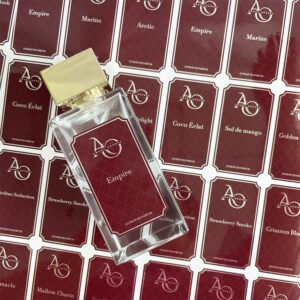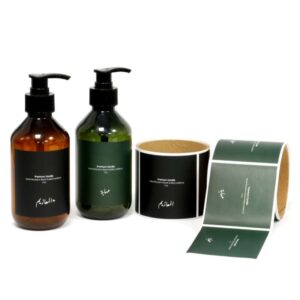
Premium perfume packaging depends on more than bottle shape and fragrance story. The label is often the first physical detail a buyer notices, and the right perfume bottle sticker manufacturer can help turn a simple container into a polished retail product. For B2B buyers, sourcing custom perfume labels means balancing appearance, durability, production flexibility, and supplier reliability before artwork ever goes to print.
What makes a perfume label feel premium?
A premium perfume label feels intentional: the material suits the bottle, the finish supports the brand position, and the adhesive performs under real handling conditions. It should resist smudging, moisture, oils, alcohol exposure, and abrasion while still delivering the visual or tactile effect expected from a fragrance product.

Luxury perception is built through small cues. A clear film can make artwork appear almost printed directly on glass. A textured paper can give an artisan or heritage fragrance a tactile, boutique feel. A metallic foil or embossed logo can catch light on a retail shelf and create a stronger sense of craftsmanship.
For fragrance brands, the label also has to survive its environment. Perfume bottles are handled often, stored in bathrooms or vanities, and exposed to alcohol-based formulas, oils, and humidity. A beautiful label that scuffs, peels, or stains too quickly can damage customer confidence and reduce perceived product value.

Start with the bottle, brand, and use case
Before requesting a quote, define what the label must accomplish. A manufacturer can recommend better materials and finishes when they understand the bottle surface, fragrance positioning, order size, and application method.
A small-batch botanical fragrance may benefit from textured paper, soft neutrals, and subtle foil. A modern unisex scent might look sharper with clear film, minimalist typography, and high-contrast ink. A bold luxury collection may justify embossing, metallic accents, or even specialty metal labels if the bottle shape and budget support them.
Key details to prepare before contacting suppliers include:
- Bottle material and shape: Flat glass, curved glass, frosted bottles, and small travel sprays all affect label selection.
- Label dimensions: Confirm the available panel area and account for curvature, shoulders, and seams.
- Application method: Hand application, semi-automatic labeling, and automated lines may require different roll formats or tolerances.
- Fragrance exposure: Consider whether the label may contact perfume oils, alcohol, water, or repeated hand oils.
- Brand tier: Mass, boutique, prestige, and luxury products often require different material and finish choices.
- Launch timeline: Fast approvals and responsive proofing can matter as much as print speed.
This preparation helps avoid rework. It also makes conversations with manufacturers more productive because the supplier can focus on practical specifications instead of guessing how the product will be used.
Materials that support premium fragrance packaging
Material selection is the foundation of label performance. The wrong substrate can make an expensive design look ordinary or cause the label to fail before the product reaches the customer.
Clear films for a glass-printed look
Clear film labels are a strong option when the goal is a clean, modern bottle. They allow the glass, liquid color, or frosted surface to remain visible, creating a “no-label” effect when applied well. This style works especially well for minimalist fragrance branding, transparent bottles, and products that rely on the bottle itself as part of the design.
Clarity, adhesive appearance, and ink opacity all matter. If the artwork includes white text or light graphics, ask whether white ink backing is available. Without it, pale artwork may disappear against the liquid or glass.
Textured papers for tactile luxury
Textured paper labels add warmth and physical character. They are often suitable for niche perfumes, natural fragrance lines, apothecary-inspired collections, and premium gift products. A subtle texture can make the bottle feel more crafted, while heavier texture can create a distinctive handmade impression.
However, paper needs careful specification in fragrance packaging. Ask about coatings or protective finishes if the label may encounter moisture, oils, or alcohol. A textured label can look premium, but it must still perform in everyday use.
White BOPP films for durability
White BOPP film is a practical choice for brands that need durability, moisture resistance, and consistent print quality. It can support crisp colors, fine typography, and clean product information while standing up better to handling than many uncoated paper options.
For growing fragrance brands, BOPP can be a balanced solution. It may not have the tactile feel of textured paper, but it offers a reliable foundation for custom perfume labels across multiple SKUs, especially when product lines need consistent branding.
Metal labels for statement packaging
Aluminum, brass, and copper labels can create a strong luxury signal. They add shine, depth, and a tactile feel that standard printed stickers cannot fully replicate. This type of label may suit limited editions, premium gift sets, or hero products where packaging is part of the purchase decision.
Metal labels require careful handling. Glass curvature, adhesive strength, edge comfort, and application pressure all need attention. Buyers should request samples and test adhesion before committing to a production run.
Finishes that elevate the label without overwhelming it
Finishes should support the fragrance story rather than compete with it. A restrained foil accent can feel elegant, while too many effects can make the bottle look busy or less refined.
Common premium finishes include:
- Foil stamping: Adds reflective detail to logos, borders, or fragrance names. Gold, silver, rose gold, and specialty metallic tones can reinforce luxury cues.
- Spot UV: Creates selective shine over certain elements, such as a logo or pattern, while the rest of the label remains matte.
- Embossing or debossing: Adds raised or recessed texture, making the label more tactile and memorable.
- Matte lamination: Reduces glare and gives the label a soft, understated finish.
- Gloss coating: Enhances color and shine, often useful for bolder or more contemporary packaging.
The best finish depends on the bottle, audience, and retail setting. A fragrance sold in boutiques may benefit from touchable textures and soft metallic details. A direct-to-consumer brand photographed heavily for ecommerce may prioritize contrast, legibility, and finishes that show well under studio lighting.

How should you evaluate a perfume bottle sticker manufacturer?
Evaluate a manufacturer by looking at technical fit, responsiveness, production flexibility, and guidance—not price alone. The right supplier should help you choose label materials, confirm artwork requirements, and reduce the risk of quality problems before production.
For B2B buyers, reliable support is particularly important when launching multiple SKUs or coordinating packaging deadlines. A supplier that returns quotes quickly, provides clear proofs, and understands specialty finishes can help prevent costly delays.
Consider these vendor criteria:
- Relevant label experience: Look for experience with cosmetics, fragrance, wine, beauty, or other premium packaging categories.
- Material range: A stronger supplier can offer clear films, white films, textured papers, metallic options, and protective coatings.
- Finish capabilities: Ask about foil, spot UV, embossing, laminates, and specialty adhesives.
- No or low minimum order requirements: This is useful for fragrance startups, limited editions, sample runs, and market testing.
- Fast quoting and proofing: Quotes returned within a short business timeframe help keep launches moving.
- Production timeline clarity: Some suppliers can print standard custom labels within about five business days after artwork approval, but timelines vary by material, finish, and order complexity.
- Artwork support: Expert review can identify bleed, font, contrast, dieline, and legibility issues before labels are produced.
- Sample availability: Samples allow you to test appearance, adhesion, and durability on the actual bottle.
Do not treat speed as the only measure of reliability. A manufacturer that asks detailed questions early may prevent bigger problems later.
Design choices that strengthen brand perception
Label design should make the product easier to understand and more desirable to hold. Typography, spacing, color, shape, and texture all influence how buyers interpret quality.
For premium fragrance packaging, simplicity often performs well. A label does not need to cover the bottle with information. Instead, it should create a clear hierarchy: brand name, fragrance name, concentration or product type, and essential regulatory or product details where required.
Shape is another powerful tool. A rectangular label can feel classic and structured. A narrow vertical label may create elegance on a tall bottle. A custom die-cut shape can make the bottle distinctive, but it must still apply cleanly and remain practical for production.
When reviewing design options, ask:
- Does the label look balanced on the bottle from the front and side?
- Is the fragrance name readable at shelf distance and in ecommerce images?
- Does the material match the product story?
- Will the finish still look refined under different lighting conditions?
- Can the same system scale across future scents or sizes?
A strong label system should work beyond one launch. If you plan to grow a collection, choose a design language that can adapt to new fragrance names, colors, and bottle sizes without losing consistency.
Cost trade-offs deserve early discussion
Premium labels can vary widely in cost depending on material, finish, size, shape, order quantity, and setup requirements. B2B buyers should discuss priorities early so the manufacturer can recommend options that fit both brand goals and budget.
If budget is limited, focus first on material quality and print clarity. A well-chosen film or paper with one carefully placed foil detail may look more premium than a crowded design with multiple expensive effects. For small batches, no minimum order options can reduce inventory risk and make it easier to test scents, packaging concepts, or seasonal editions.
For larger programs, consistency and repeatability become more important. A label specification that is easy to reorder, apply, and maintain across SKUs can save time even if the individual label is not the lowest-cost option.
Testing prevents expensive packaging mistakes
Label testing should happen before full production, especially for specialty materials or unusual bottles. Even excellent labels can fail if the adhesive, surface texture, bottle curvature, or application process is mismatched.
A practical test plan includes:
- Apply samples to the actual bottle. Do not rely only on flat swatches.
- Check edges after 24 to 48 hours. Look for lifting, bubbling, or curling.
- Handle the bottle repeatedly. Simulate retail handling, packing, and customer use.
- Expose the label to likely conditions. Consider moisture, hand oils, and controlled contact with fragrance residue.
- Review under real lighting. Test retail, studio, bathroom, and natural light if relevant.
- Confirm application workflow. Make sure staff or equipment can place the label consistently.
This is especially important for metal labels, clear films, and textured papers. These materials can look exceptional, but they need the right adhesive, surface preparation, and application pressure.

FAQ
Can small fragrance brands order custom perfume labels without large minimums?
Many sticker manufacturers offer low or no minimum order options, which can be useful for startups, limited releases, and market testing. Confirm the supplier’s policy before quoting because minimums may change for specialty finishes or materials.
What is the best label material for perfume bottles?
There is no single best material. Clear film works well for a sleek glass look, textured paper supports boutique positioning, and white BOPP film offers durability and moisture resistance.
How long does production usually take?
Timelines depend on artwork approval, material, finish, and order complexity. Some standard custom label orders may be produced within about five business days after approval, while specialty finishes can take longer.
Should buyers request samples before ordering?
Yes. Samples help confirm appearance, adhesive performance, finish quality, and application fit on the actual bottle before committing to a full run.
Are metal labels suitable for glass perfume bottles?
They can be, especially for premium or limited-edition packaging. However, they require careful testing for adhesion, curvature, edge comfort, and application consistency.
Final takeaway
Sourcing premium perfume labels is a strategic packaging decision, not just a print order. The best results come from matching material, finish, design, and adhesive performance to the bottle, fragrance story, and business model. By choosing a manufacturer with strong material options, clear timelines, flexible order quantities, and expert guidance, B2B buyers can create custom perfume labels that look refined, perform reliably, and support a stronger brand impression from launch through reorder.